



halohalong-ako.com

WHO ARE TCKS?

Third Culture Kids (TCKs) are people who grew up in countries different from their parents’ or passport country, creating a blend of cultures that becomes their own. It’s an exciting mix, but it also means identity and belonging can be messy, especially when coming back to a “home” that doesn’t full feel like one.

CHALLENGES OF A TCK

Reintegration can be both exciting and overwhelming for Filipino Third Culture Kids. While returning home offers a chance to reconnect with one’s roots, it can also bring challenges like adjusting to cultural expectations, social norms, and identity differences. Here’s what to expect as you navigate the journey of belonging and rediscovery.


Click the buttons below!

WHAT TO EXPECT

BENEFITS OF A TCK

FROM ONE TCK TO ANOTHER

Starting a new chapter in the Philippines is easier with a little guidance. Hear from fellow TCKs as they share advice and stories from their own journeys to help you navigate life here.

ADVICE FROM OTHER TCKS

If you can’t figure out who or what you truly are, just try things. Let yourself lose and try something new.

- Valdez


Never be afraid to make mistakes and never be afraid of asking for help.


- Distrajo

Finding friends is really my main recommendation. Aside from relying on a support system, give yourself grace and time.

- Noel

Focus on what resonates with you from each culture instead of trying to fit perfectly anywhere.

- Naputo


Be open to everything.


- ISAGAR

RELATABLE EXPERIENCES

Filipino humor

Has difficulty picking up on certain jokes and local references that others easily understand.
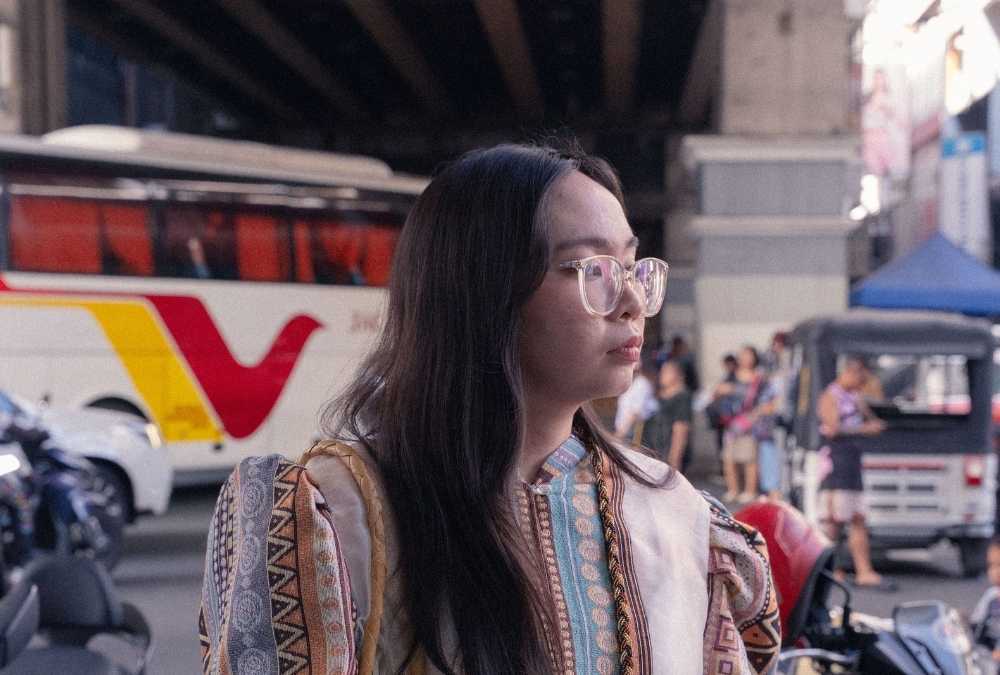
COMMUTE STREET LINGO

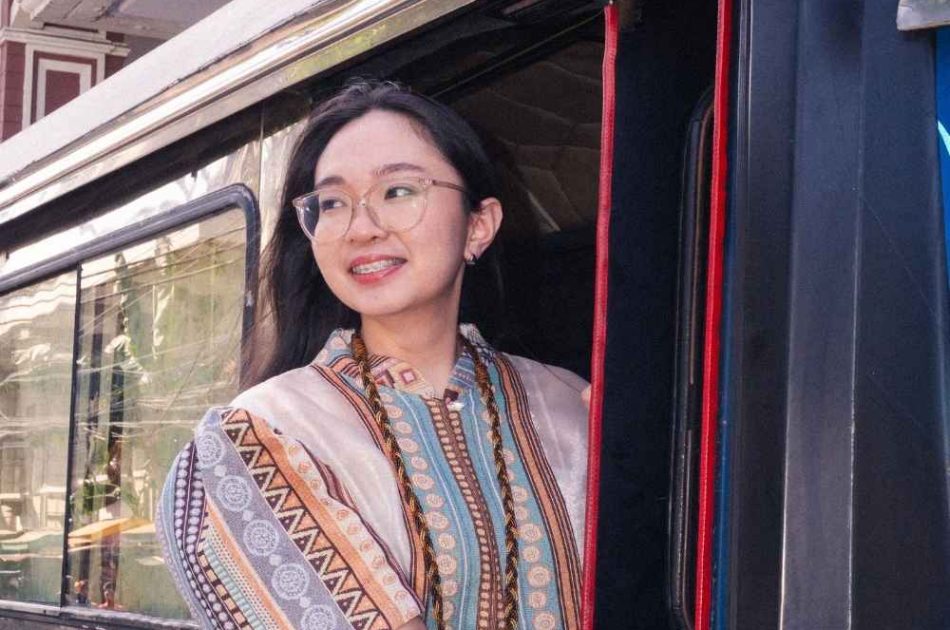
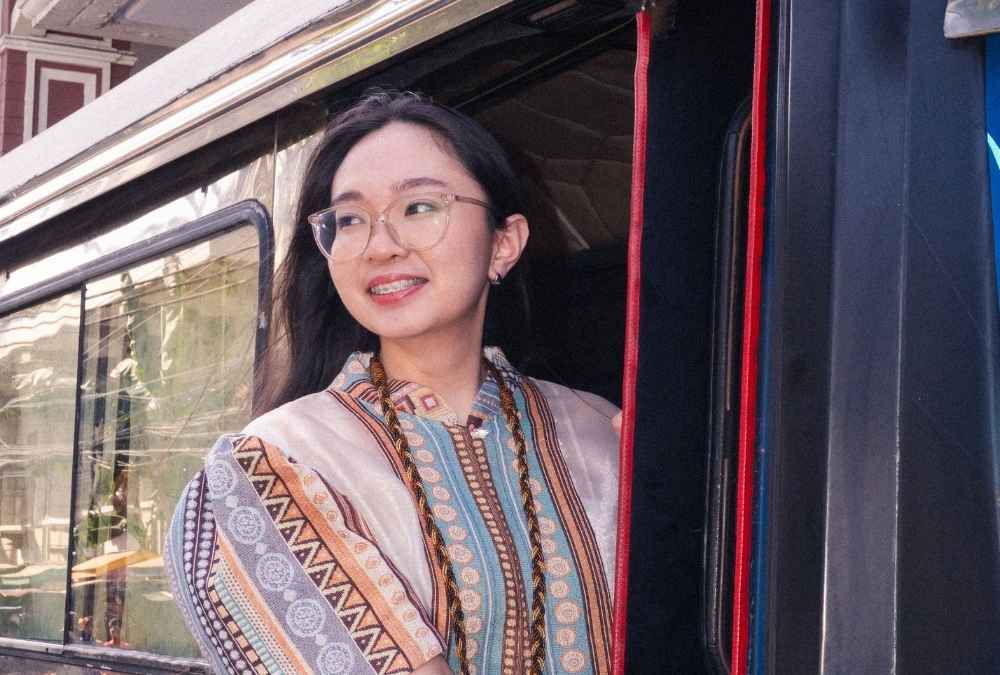
Unfamiliarity with commute culture, like not knowing jeep routes that many locals memorize by heart, can feel isolating. Missing out on street lingo, transportation cues, and everyday Filipino details can make home feel strangely unfamiliar.

ISOLATION

Being treated like a tourist, with people switching to English, keeping distance, or even showing moments of racism and exclusion, despite being Filipino.

RELATABLE EXPERIENCES

Filipino humor

Has difficulty picking up on certain jokes and local references that others easily understand.

COMMUTE STREET LINGO

Unfamiliarity with commute culture, like not knowing jeep routes that many locals memorize by heart, can feel isolating. Missing out on street lingo, transportation cues, and everyday Filipino details can make home feel strangely unfamiliar.

ISOLATION

Being treated like a tourist, with people switching to English, keeping distance, or even showing moments of racism and exclusion, despite being Filipino.

RELATABLE EXPERIENCES

Filipino humor

Has difficulty picking up on certain jokes and local references that others easily understand.

COMMUTE STREET LINGO

Unfamiliarity with commute culture, like not knowing jeep routes that many locals memorize by heart, can feel isolating. Missing out on street lingo, transportation cues, and everyday Filipino details can make home feel strangely unfamiliar.

ISOLATION

Being treated like a tourist, with people switching to English, keeping distance, or even showing moments of racism and exclusion, despite being Filipino.

RELATABLE EXPERIENCES

Filipino humor

Has difficulty picking up on certain jokes and local references that others easily understand.

COMMUTE STREET LINGO

Unfamiliarity with commute culture, like not knowing jeep routes that many locals memorize by heart, can feel isolating. Missing out on street lingo, transportation cues, and everyday Filipino details can make home feel strangely unfamiliar.

ISOLATION

Being treated like a tourist, with people switching to English, keeping distance, or even showing moments of racism and exclusion, despite being Filipino.

RELATABLE EXPERIENCES

Filipino humor

Has difficulty picking up on certain jokes and local references that others easily understand.

COMMUTE STREET LINGO

Unfamiliarity with commute culture, like not knowing jeep routes that many locals memorize by heart, can feel isolating. Missing out on street lingo, transportation cues, and everyday Filipino details can make home feel strangely unfamiliar.

ISOLATION

Being treated like a tourist, with people switching to English, keeping distance, or even showing moments of racism and exclusion, despite being Filipino.

pieces worth reading

authored by others

Discover stories that feel close to home with our recommended reads for Third Culture Kids (TCKs) and the family and friends cheering them on.

Challenges faced by a Third Culture Kid returnee

JB, a Filipino TCK from Thailand, shares her experiences as a returnee. She talks about the culture shock of coming home, learning to navigate Filipino society, and finding belonging in a community of fellow TCKs.

By, OMF Creators

Third Culture Kids: At Home In Their Own Skin

Follow Daniel, Heather, Gabby, and Gia, four half-Filipino TCKs, as they discover what home means to them while navigating the constant questions about where they’re from.

By, Debbie Reyes-Coloma

The Curious Case of Filipino Third Culture Kids

An article about how Filipino TCKs live between cultures, facing identity struggles, pressure to conform, and feeling foreign in their own home. In the process, they redefine belonging and learn that home is found in people, not places.

By, Anri Ichimura

The Global Identity of a Third Culture Kid

A story about Filipino TCK Josh Isleta, who returned home but felt like a stranger in his own country. It explores how growing up between cultures shapes identity, adaptability, and a broader sense of belonging.

By, Rei Fortes

Raising TCKs

A story of a Filipino mother raising Third Culture Kids abroad, balancing cultures and identity while teaching her children that home is found in family, not place.

By, Dorothy Delgado Novicio

WHO ARE TCKS?

Third Culture Kids (TCKs) are people who grew up in countries different from their parents’ or passport country, creating a blend of cultures that becomes their own. It’s an exciting mix, but it also means identity and belonging can be messy, especially when coming back to a “home” that doesn’t full feel like one.

PIECES WORTH READING

AUTHORED BY OTHERS

Discover stories that feel close to home with our recommended reads for Third Culture Kids (TCKs) and the family and friends cheering them on.

Challenges faced by a Third Culture Kid returnee

JB, a Filipino TCK from Thailand, shares her experiences as a returnee. She talks about the culture shock of coming home, learning to navigate Filipino society, and finding belonging in a community of fellow TCKs.

By, OMF Creators

Third Culture Kids: At Home In Their Own Skin

Follow Daniel, Heather, Gabby, and Gia, four half-Filipino TCKs, as they discover what home means to them while navigating the constant questions about where they’re from.

By, Debbie Reyes-Coloma

The Curious Case of Filipino Third Culture Kids

An article about how Filipino TCKs live between cultures, facing identity struggles, pressure to conform, and feeling foreign in their own home. In the process, they redefine belonging and learn that home is found in people, not places.

By, Anri Ichimura

The Global Identity of a Third Culture Kid

A story about Filipino TCK Josh Isleta, who returned home but felt like a stranger in his own country. It explores how growing up between cultures shapes identity, adaptability, and a broader sense of belonging.

By, Rei Fortes

Raising TCKs

A story of a Filipino mother raising Third Culture Kids abroad, balancing cultures and identity while teaching her children that home is found in family, not place.

By, Dorothy Delgado Novicio