
Third Culture Kids (TCKs) are people who grew up in countries different from their parents’ or passport country, creating a blend of cultures that becomes their own. It’s an exciting mix, but it also means identity and belonging can be messy, especially when coming back to a “home” that doesn’t full feel like one.
Reintegration can be both exciting and overwhelming for Filipino Third Culture Kids. While returning home offers a chance to reconnect with one’s roots, it can also bring challenges like adjusting to cultural expectations, social norms, and identity differences. Here’s what to expect as you navigate the journey of belonging and rediscovery.
Hover to read their descriptions
Third Culture Kids can easily adapt to new places and people. Being a Filipino in a different country allows them to experience diverse cultures and perspectives.
TCK often develop strong open-mindedness because they grow up around diverse cultures and people, learning to embrace different perspectives with curiosity, respect, and understanding.
While others might limit their goals to their home city, TCKs see the whole world as a place to work and live. This mindset opens up a much wider range of career and life opportunities because they are not held back by the fear of being in an unfamiliar country.
Growing up in transit teaches TCKs how to manage themselves in complex situations, like international travel or moving to a new city alone. This makes them highly independent and capable of handling adult responsibilities much earlier than their peers.
Third Culture Kids are usually comfortable with transitions. While most people feel stressed when their "home" or "routine" changes, their sense of home is built on people or memories rather than a physical building, making them much more mobile and fearless when moving for work or study.
Growing up in a different environment as a Filipino exposed them to different languages and ways of speaking. Many become fluent in English and can easily adjust their language or accent depending on who they’re talking to, and some practice codeswitching after reintegrating to the Philippines to better communicate with locals from various backgrounds
Third Culture Kids grow up surrounded by different cultures, languages, and ways of life. Along the way, they learn how to adapt, communicate, and understand people from different cultural backgrounds. These experiences naturally nurture their cultural awareness, sensitivity, and cultural intelligence. Allowing them to connect with others in meaningful and respectful ways.
Starting a new chapter in the Philippines is easier with a little guidance. Hear from fellow TCKs as they share advice and stories from their own journeys to help you navigate life here.
Click on the tabs below!
If you can’t figure out who or what you truly are, just try things. Let yourself lose and try something new.
- VALDEZ
Never be afraid to make mistakes and never be afraid of asking for help.
- DISTRAJO
Finding friends is really my main recommendation. Aside from relying on a support system, give yourself grace and time.
- NOEL
Focus on what resonates with you from each culture instead of trying to fit perfectly anywhere.
- NAPUTO
Be open to everything.
- ISAGAR

Has difficulty picking up on certain jokes and local references that others easily understand.
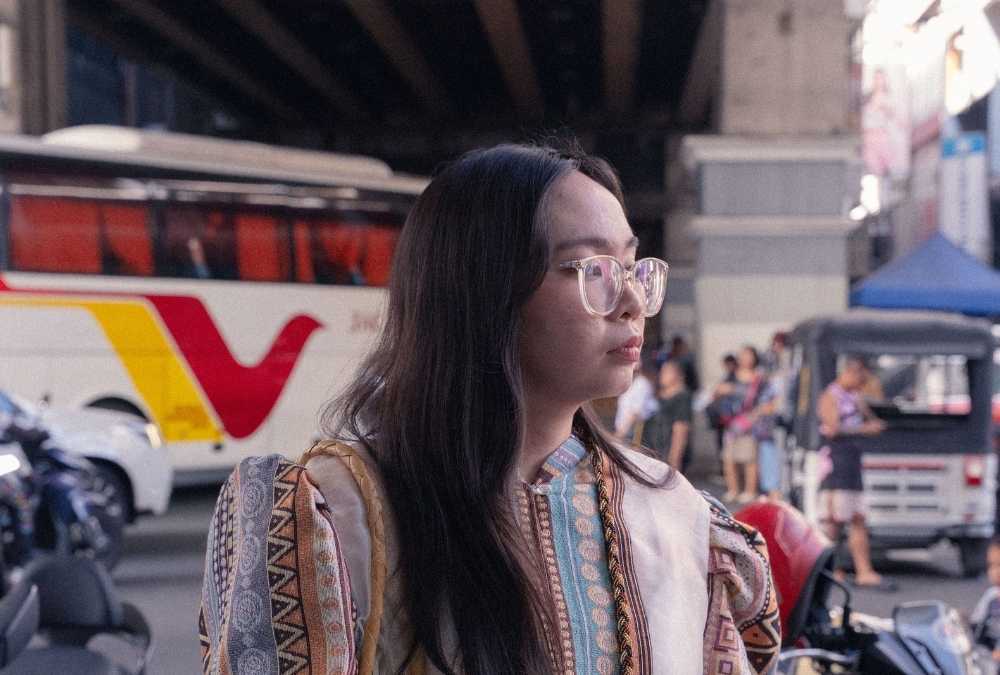
Not knowing jeep routes, street slang, and everyday Filipino habits can make you feel out of place, making home seem strangely unfamiliar.
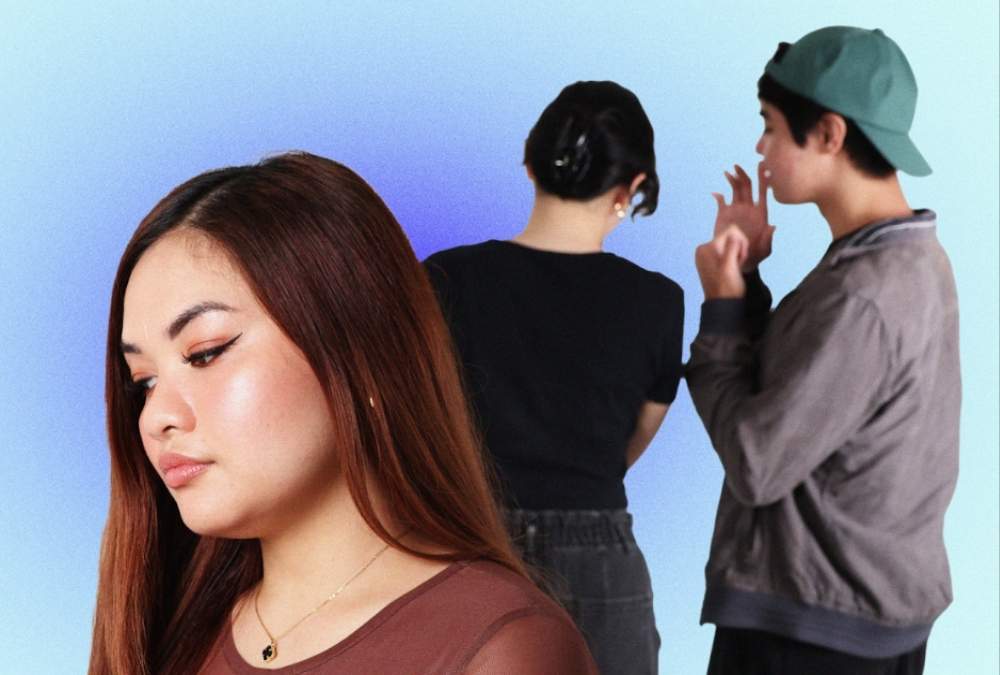
Being treated like a tourist, with people switching to English, keeping distance, or even showing moments of racism and exclusion, despite being Filipino.
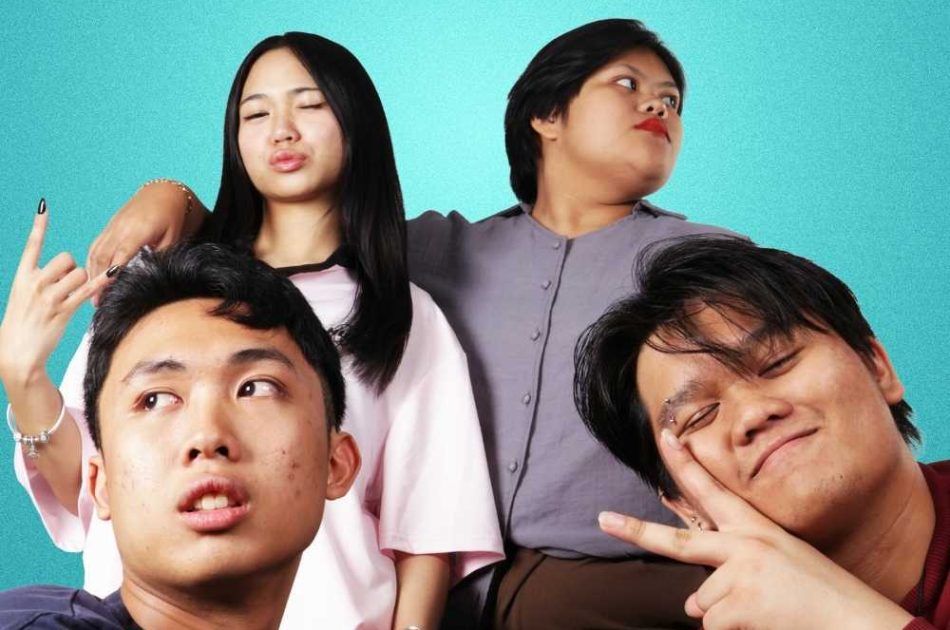
Joined college organizations and connected with fellow TCKs, helping them adjust and build meaningful friendships.
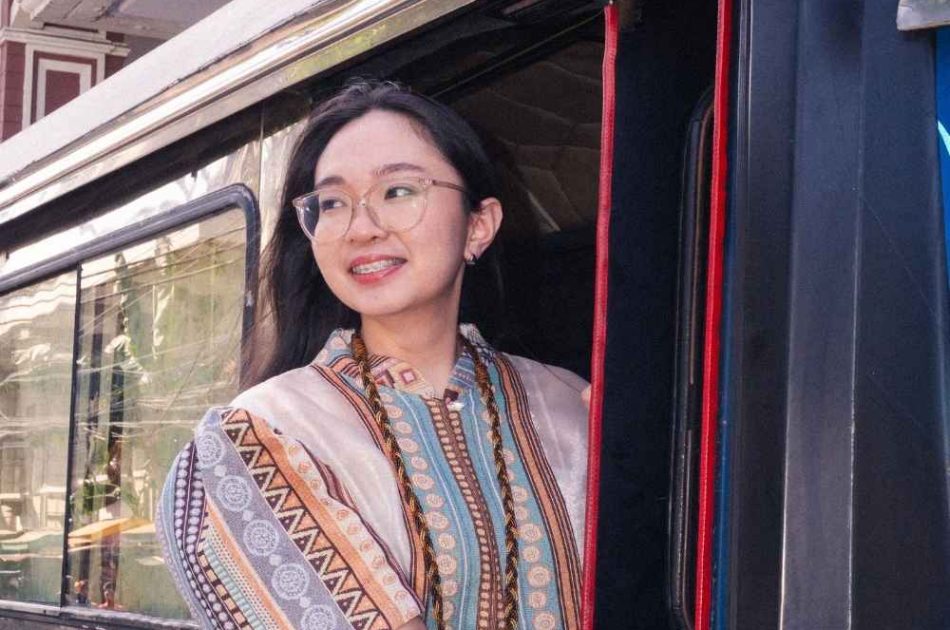
Learned how to commute and communicate with locals, gradually becoming more confident navigating public transportation.

Discovered trends, fashion, and makeup tips through social media, making it easier to stay connected with local culture.
Explore how storytelling can give your community a voice and drive positive impact.
Featuring: Jeman Malibiran
Watch time: 2 minutes
Supportive advice to help you navigate life in the Philippines and welcome new experiences along the way.
Featuring: Jeman Malibiran & Bernard Eseo
Watch time: 2 minutes
Third Culture Kids (TCKs) are people who grew up in countries different from their parents’ or passport country, creating a blend of cultures that becomes their own. It’s an exciting mix, but it also means identity and belonging can be messy, especially when coming back to a “home” that doesn’t full feel like one.
Reintegration can be both exciting and overwhelming for Filipino Third Culture Kids. While returning home offers a chance to reconnect with one’s roots, it can also bring challenges like adjusting to cultural expectations, social norms, and identity differences. Here’s what to expect as you navigate the journey of belonging and rediscovery.
Tap to read their descriptions
Third Culture Kids can easily adapt to new places and people. Being a Filipino in a different country allows them to experience diverse cultures and perspectives.
TCK often develop strong open-mindedness because they grow up around diverse cultures and people, learning to embrace different perspectives with curiosity, respect, and understanding.
While others might limit their goals to their home city, TCKs see the whole world as a place to work and live. This mindset opens up a much wider range of career and life opportunities because they are not held back by the fear of being in an unfamiliar country.
Growing up in transit teaches TCKs how to manage themselves in complex situations, like international travel or moving to a new city alone. This makes them highly independent and capable of handling adult responsibilities much earlier than their peers.
Growing up in a different environment as a Filipino exposed them to different languages and ways of speaking. Many become fluent in English and can easily adjust their language or accent depending on who they’re talking to, and some practice codeswitching after reintegrating to the Philippines to better communicate with locals from various backgrounds
Third Culture Kids grow up surrounded by different cultures, languages, and ways of life. Along the way, they learn how to adapt, communicate, and understand people from different cultural backgrounds. These experiences naturally nurture their cultural awareness, sensitivity, and cultural intelligence. Allowing them to connect with others in meaningful and respectful ways.
Third Culture Kids are usually comfortable with transitions. While most people feel stressed when their "home" or "routine" changes, their sense of home is built on people or memories rather than a physical building, making them much more mobile and fearless when moving for work or study.
Starting a new chapter in the Philippines is easier with a little guidance. Hear from fellow TCKs as they share advice and stories from their own journeys to help you navigate life here
Finding friends is really my main recommendation. Aside from relying on a support system, give yourself grace and time.
- NOEL
If you can’t figure out who or what you truly are, just try things. Let yourself lose and try something new.
- VALDEZ
Focus on what resonates with you from each culture instead of trying to fit perfectly anywhere.
- NAPUTO
Never be afraid to make mistakes and never be afraid of asking for help.
- DISTRAJO
Be open to everything.
- ISAGAR

Has difficulty picking up on certain jokes and local references that others easily understand.

Not knowing jeep routes, street slang, and everyday Filipino habits can make you feel out of place, making home seem strangely unfamiliar.

Being treated like a tourist, with people switching to English, keeping distance, or even showing moments of racism and exclusion, despite being Filipino.
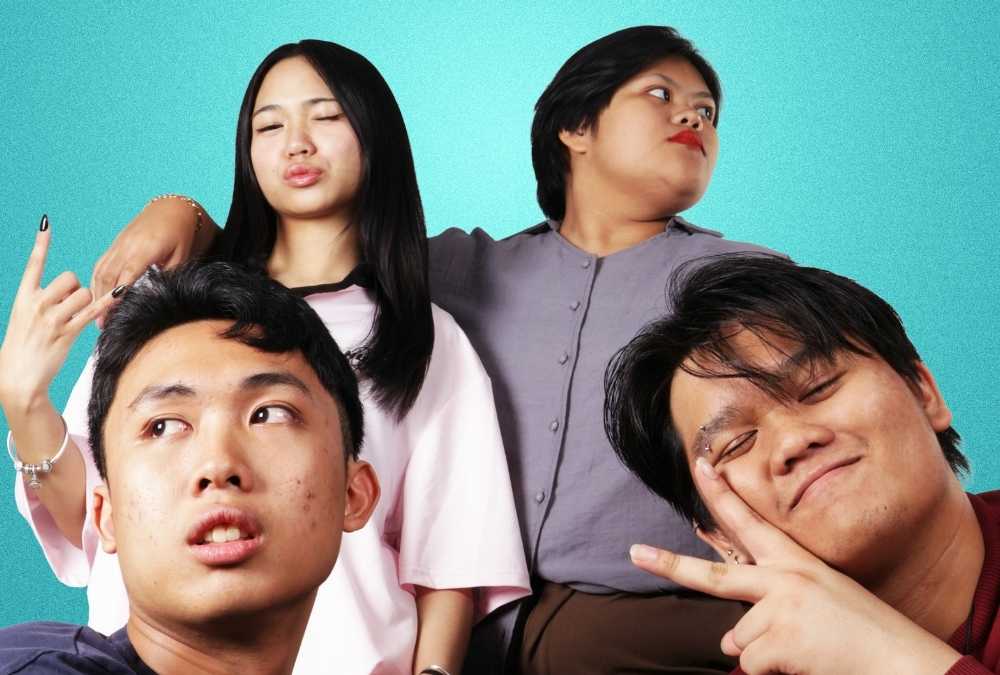
Joined college organizations and connected with fellow TCKs, helping them adjust and build meaningful friendships.
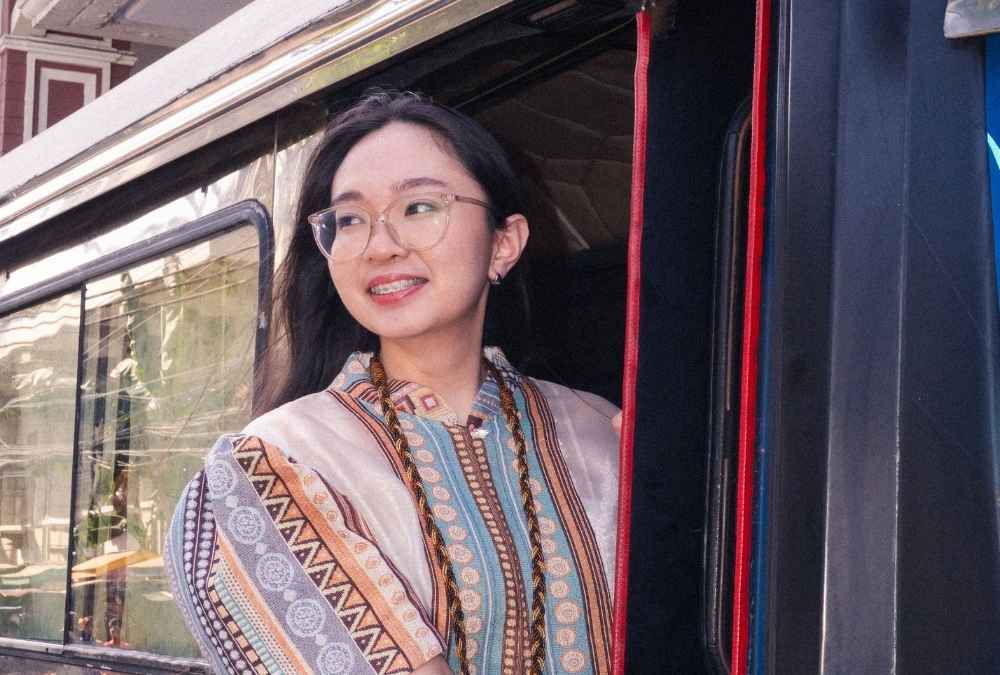
Learned how to commute and communicate with locals, gradually becoming more confident navigating public transportation.

Discovered trends, fashion, and makeup tips through social media, making it easier to stay connected with local culture.
Explore how storytelling can give your community a voice and drive positive impact.
Featuring: Jeman Malibiran
Watch time: 2 minutes
Supportive advice to help you navigate life in the Philippines and welcome new experiences along the way.
Featuring: Jeman Malibiran & Bernard Eseo
Watch time: 2 minutes