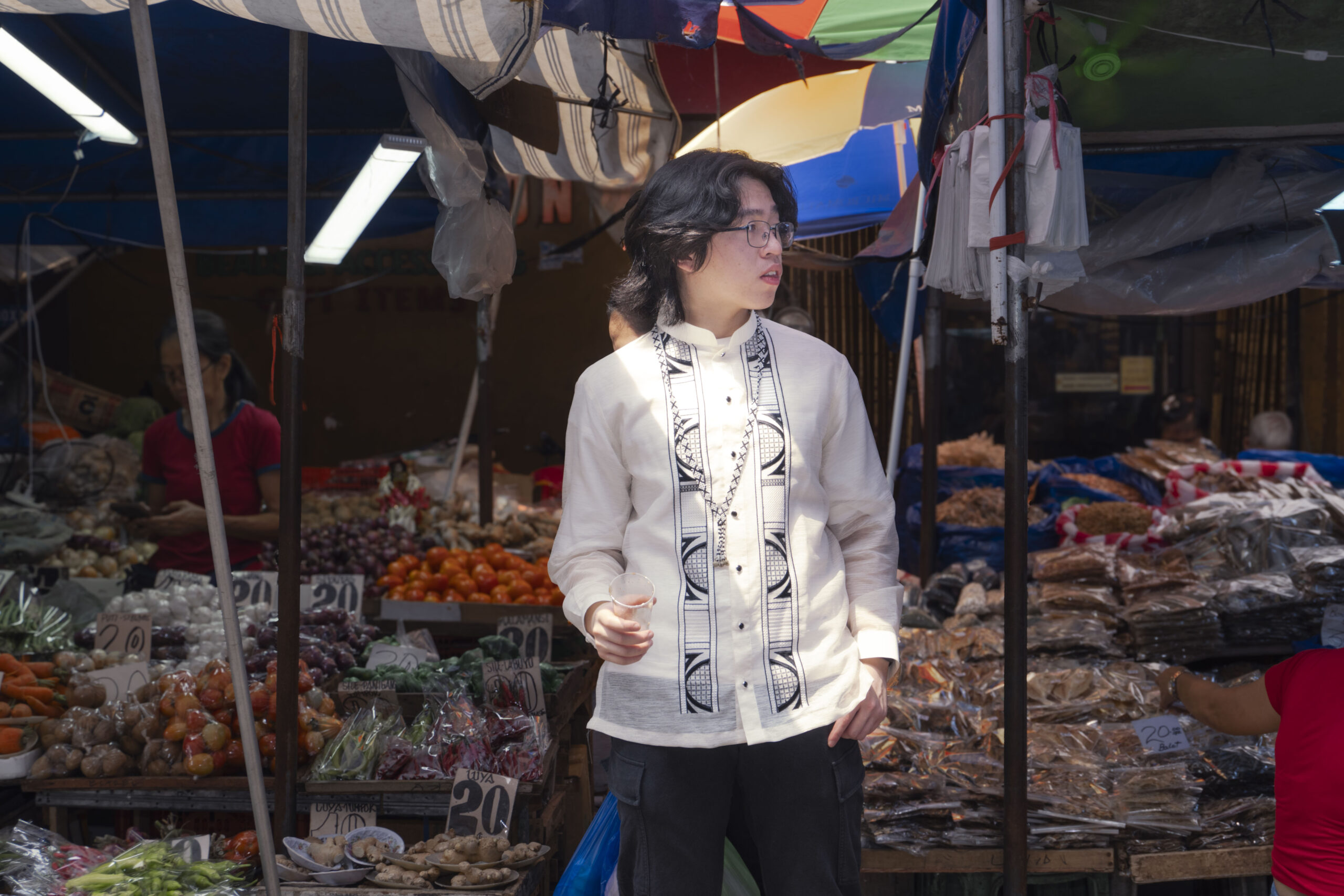
CULTURE SHOCKS
If you are not familiar with the social norms and culture of the Philippines, certain everyday experiences might catch you off guard. From playful jokes and unique mindsets to family dynamics and communication styles, these moments can feel surprising at first.
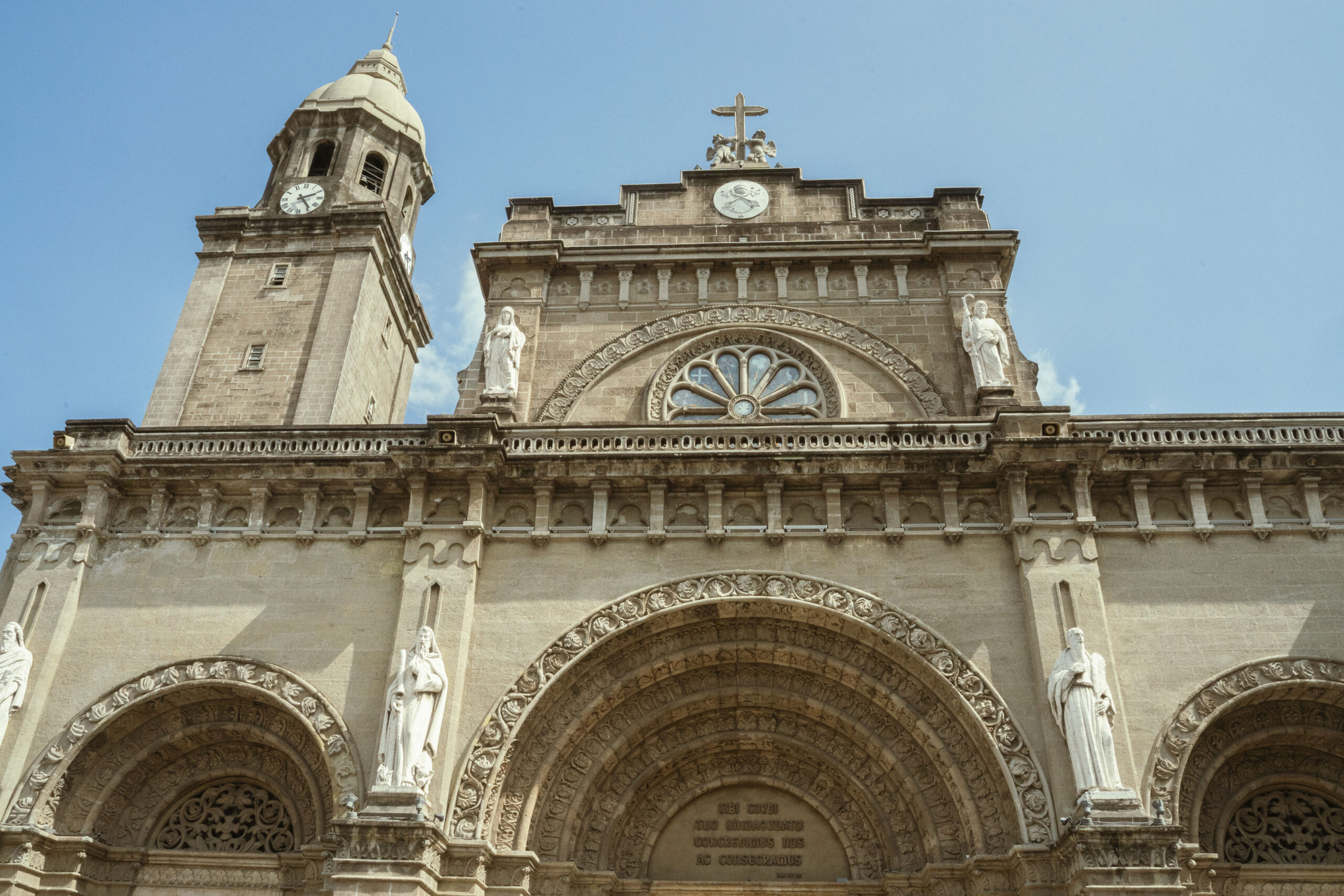
Philippines is a very Catholic country
The Philippines is a conservative country and heavily influenced by Catholic teachings, leading to extensive opposition regarding divorce, same sex marriage, etc. However, the Philippines remains a secular country, where the country allows people to practice their own religion.
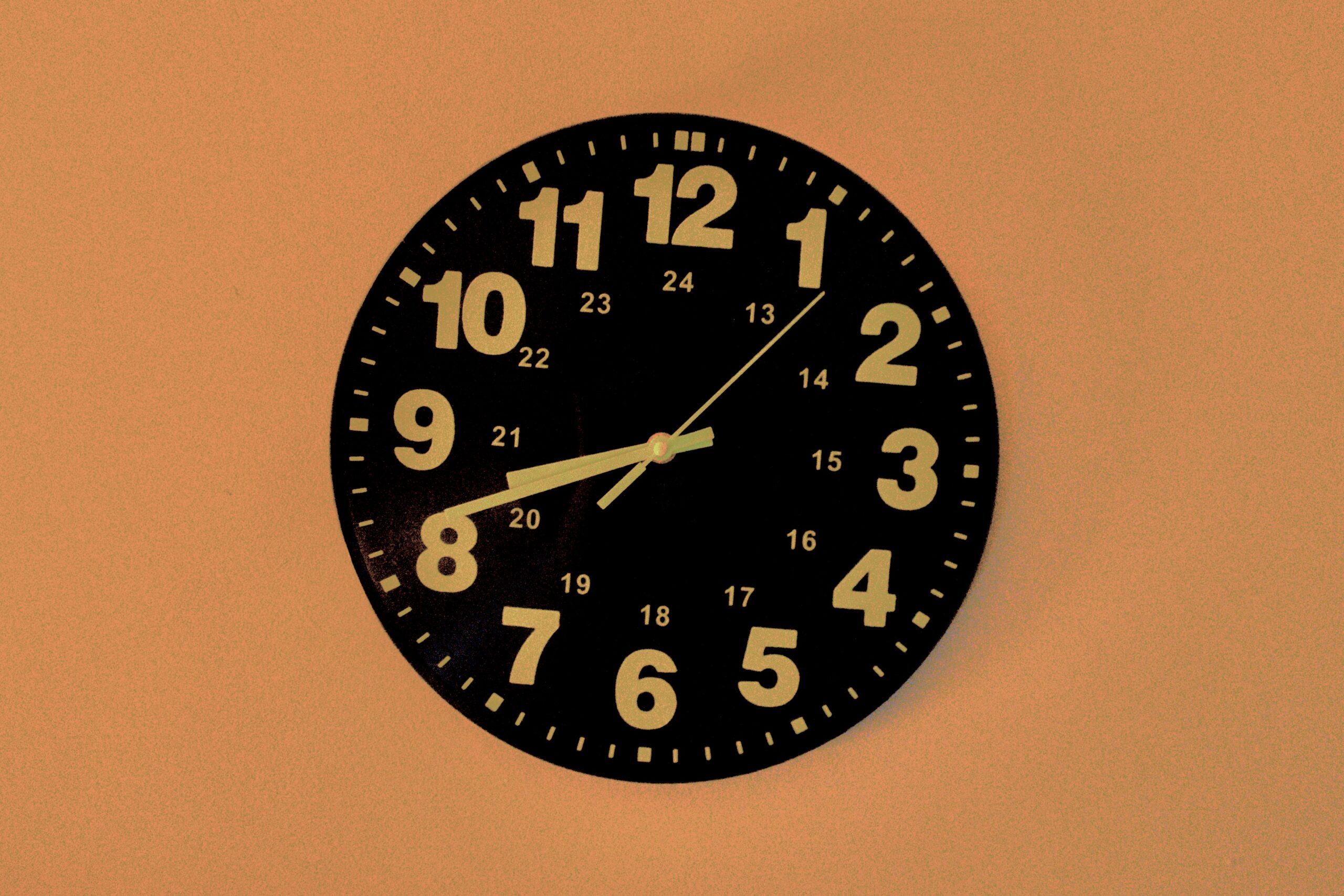
“Filipino time”
Although ‘Filipino time’ can be frustrating for those on the receiving end, many factors contribute to it. Unexpected traffic jams, long lines, and long waiting times. Filipinos try hard to get there on time, but are also sometimes met with unavoidable delays.
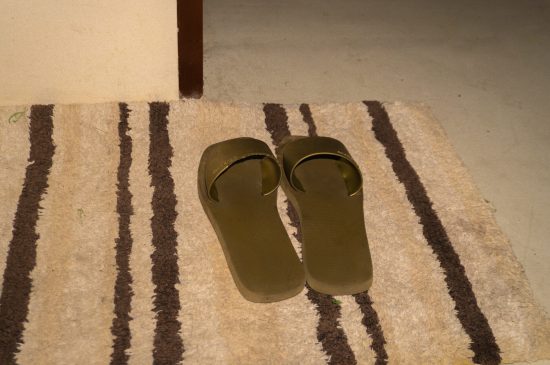
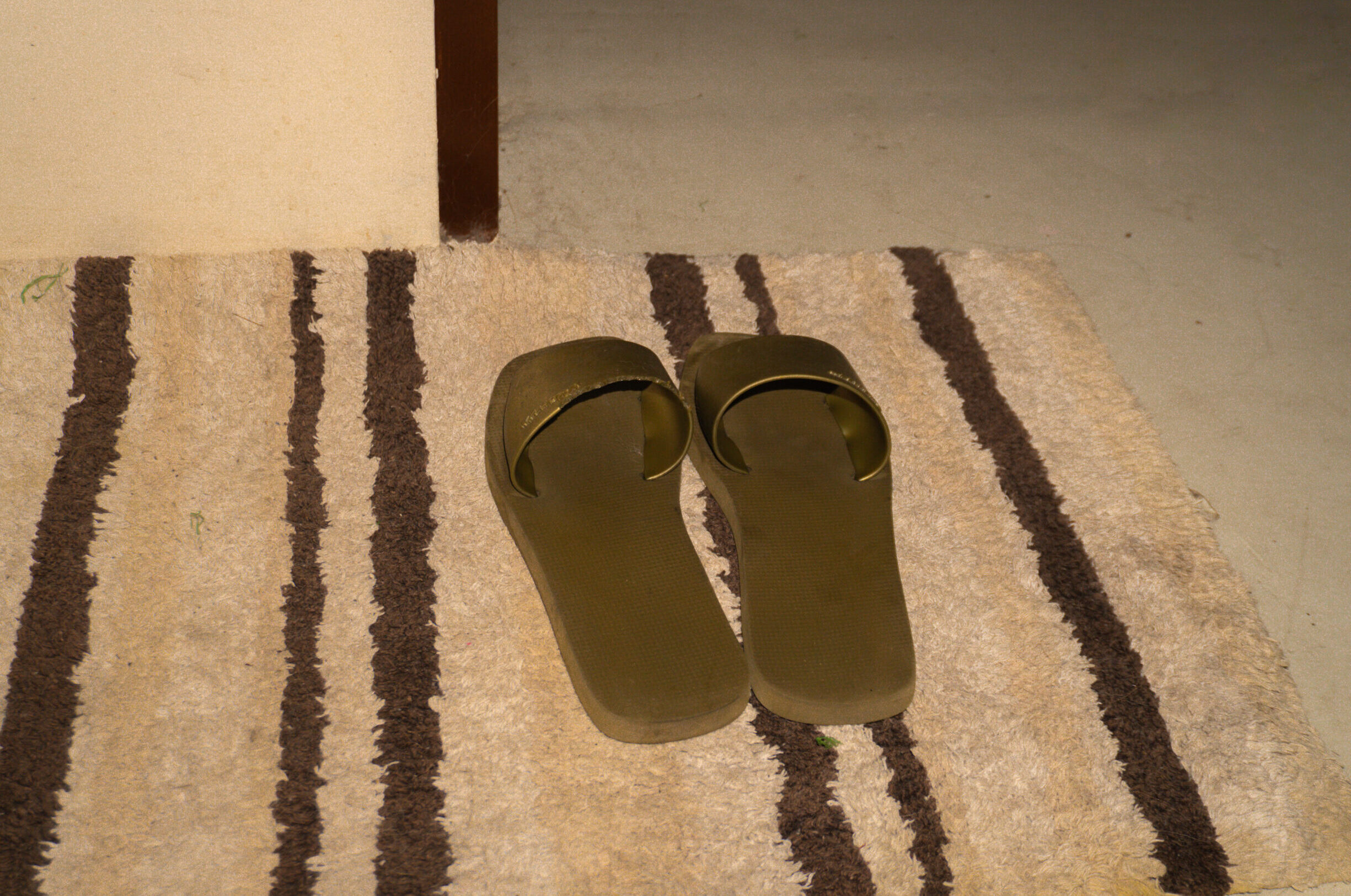
Wearing
slippers at home
Wearing slippers inside the house in the Philippines is very normal and common practice. This cultural practice signifies hygiene, and is also shown as a gesture of care and protection to the home and the people inside of it.
reverse culture shock
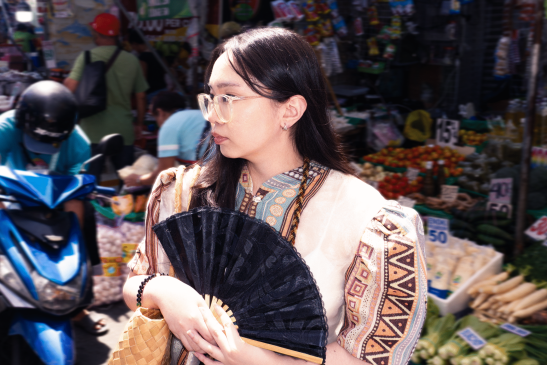
TCKs often feel unprepared when confronted with unfamiliar social norms, traditions, school systems, and everyday practices in the Philippines. Despite being their country of origin, many report feelings of alienation and disconnection due to limited exposure to Filipino culture while growing up abroad.
The concept of “Mano”, “Po”,
and “Opo”
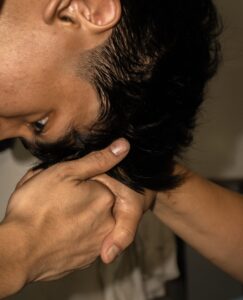
In Filipino culture, saying “mano po” and using “po” and “opo” are important expressions of respect toward elders. Filipino TCKs raised abroad may be less familiar with these practices, as they are not commonly used in other countries. A simple way to show respect, especially if not yet comfortable speaking Tagalog, is by adding “po” to English sentences, such as, “How much is this, po?” or “When are you coming back, po?” This small adjustment helps make communication more culturally appropriate.
Indirect communication
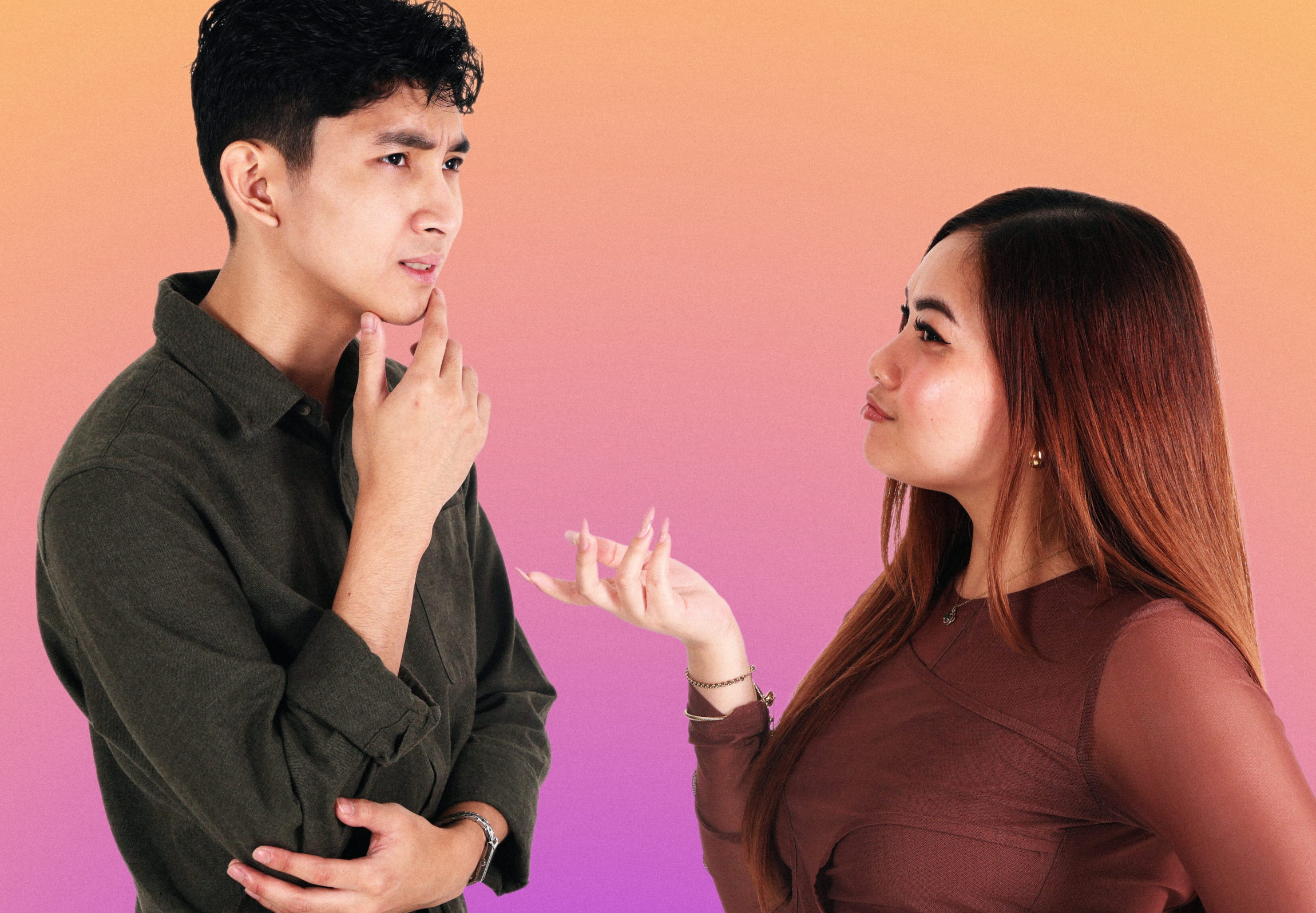
In Filipino culture, people may avoid a direct “no” to keep harmony (pakikisama/hiya). Reading between the lines is equivalent to noticing tone, body language, and word choices.
When someone mentions phrases such as “baka”, “tingnan natin,” or in english “we’ll see” could indicate hesitation rather than agreement.
Feeling "Othered"
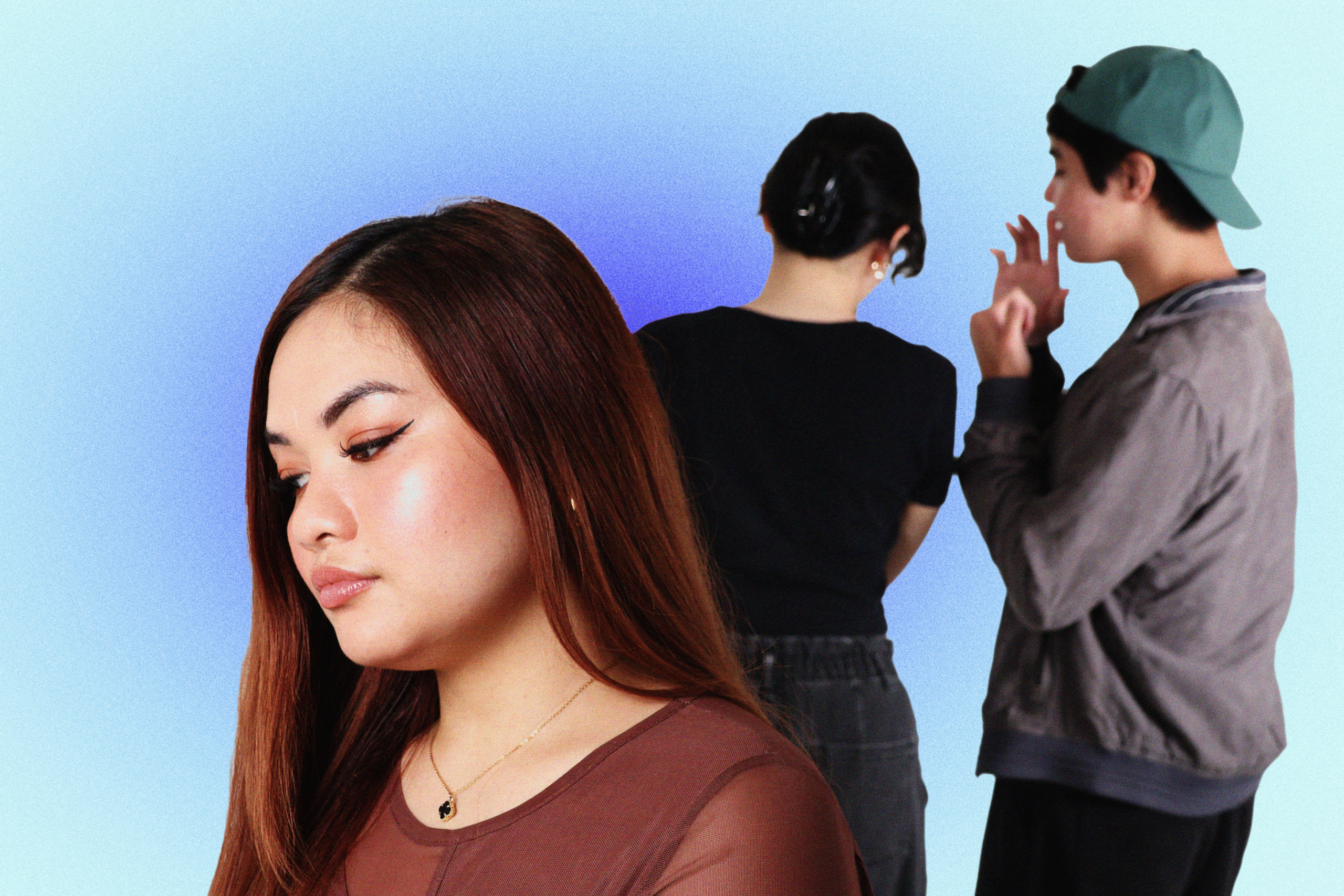
TCKs are often treated as outsiders because of their accent, physical features, behavior, or perceived foreignness. Labels such as “conyo” or assumptions that they are wealthy or maarte can create social distance and pressure them to prove their Filipino identity in order to be accepted.
Hospitality
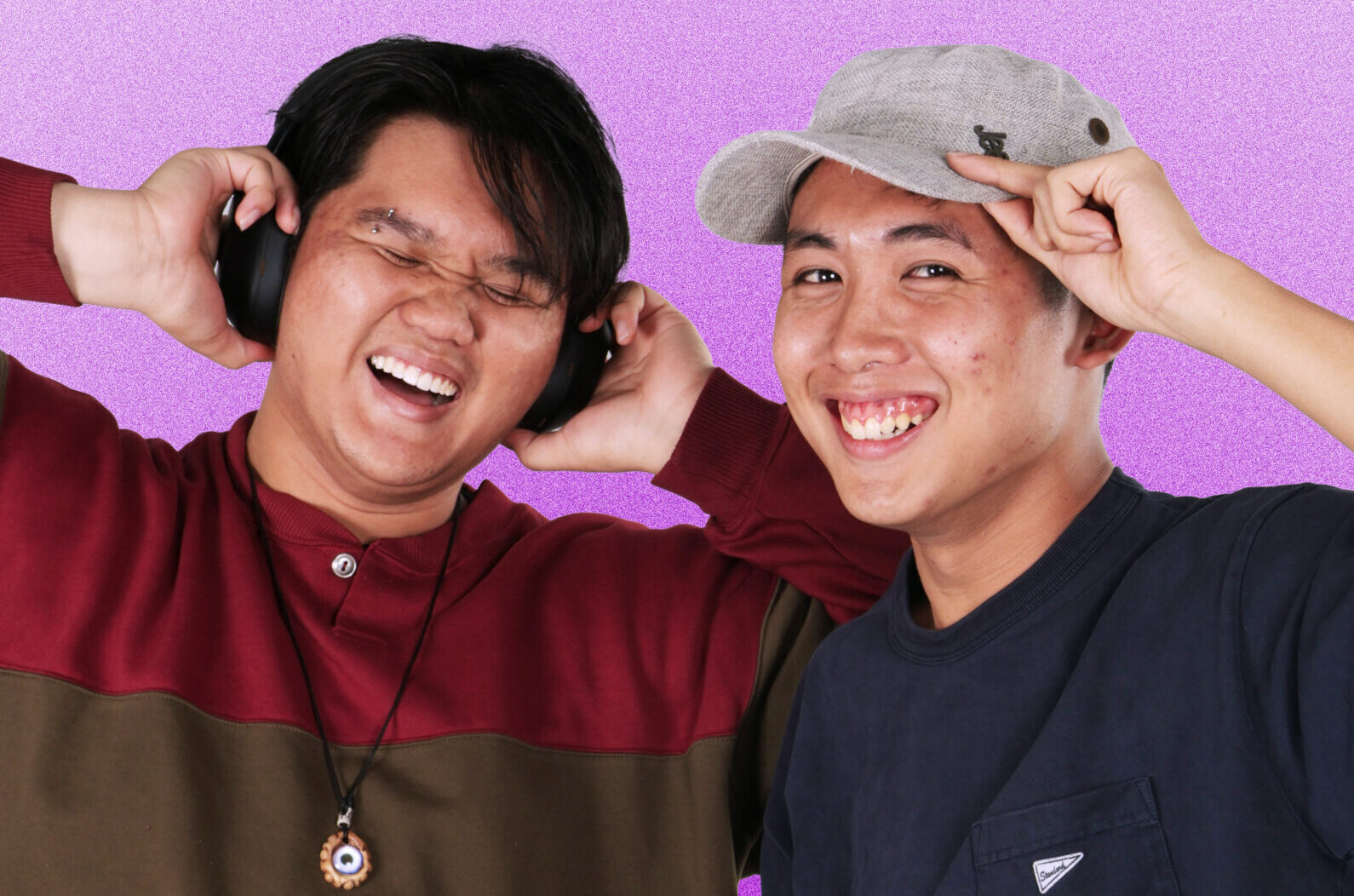
Filipinos are known for their hospitality and friendly nature. However, this kindness can sometimes be taken advantage of by scammers or street people who pretend to be helpful, especially when someone looks lost or in need of assistance.
While our hospitality is often seen as a positive trait, it is still important to be street-smart and cautious to avoid being exploited.

Feeling “in-between”
Filipino Third Culture Kids often experience an “in-between” identity, where they feel they do not fully belong to either their host country or the Philippines.
Although they identify as Filipino through birth and heritage, differences in values, language, behavior, and cultural familiarity can make them question what being “Filipino enough” truly means.
Fiestas
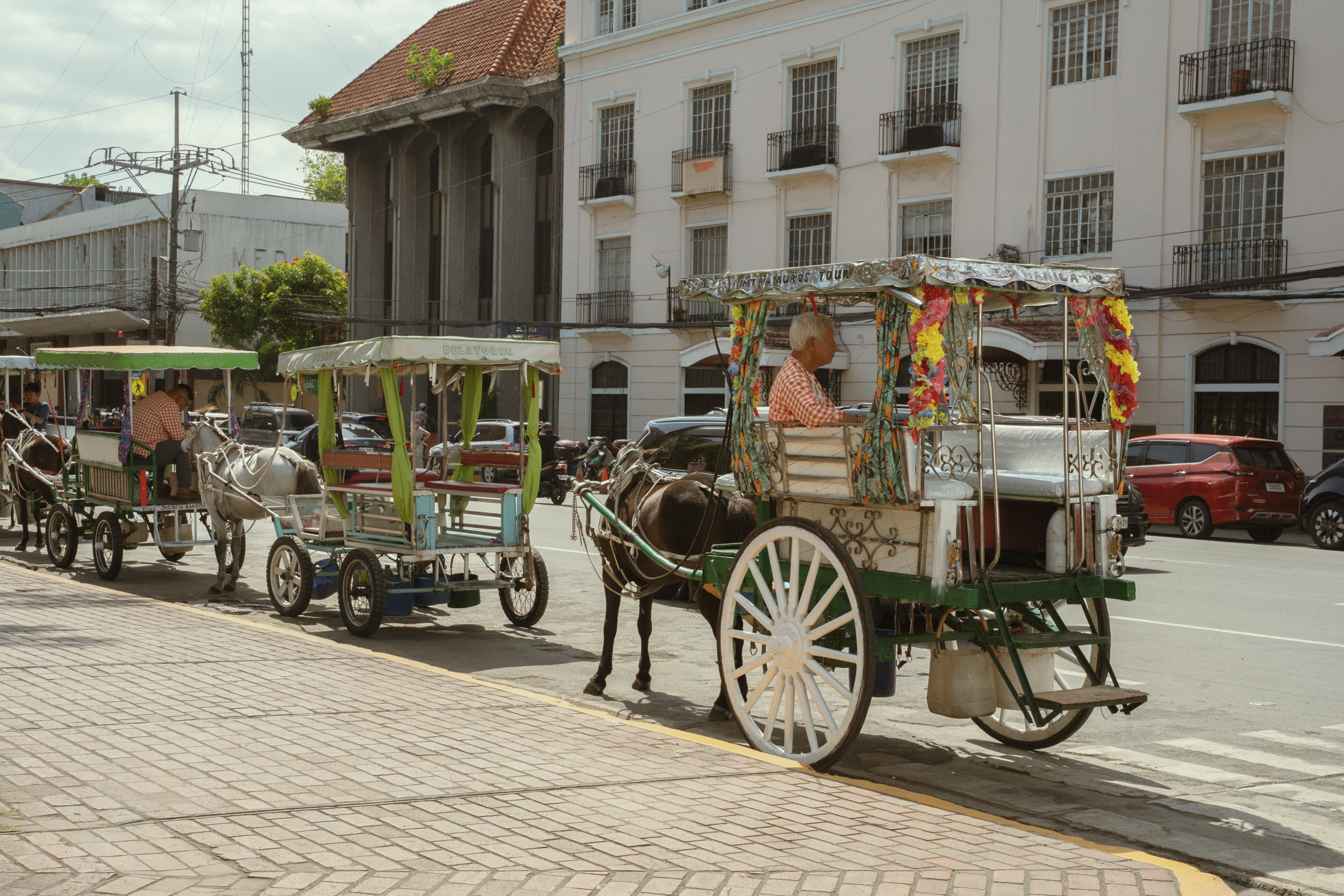
Filipinos are known to be hospitable and known to treat visitors very well. In celebrations like in fiestas, even if you’re a stranger, they will still welcome you warmly with phrases such as “kain na” and invite you to their house to celebrate.
Utang na
Loob Mindset
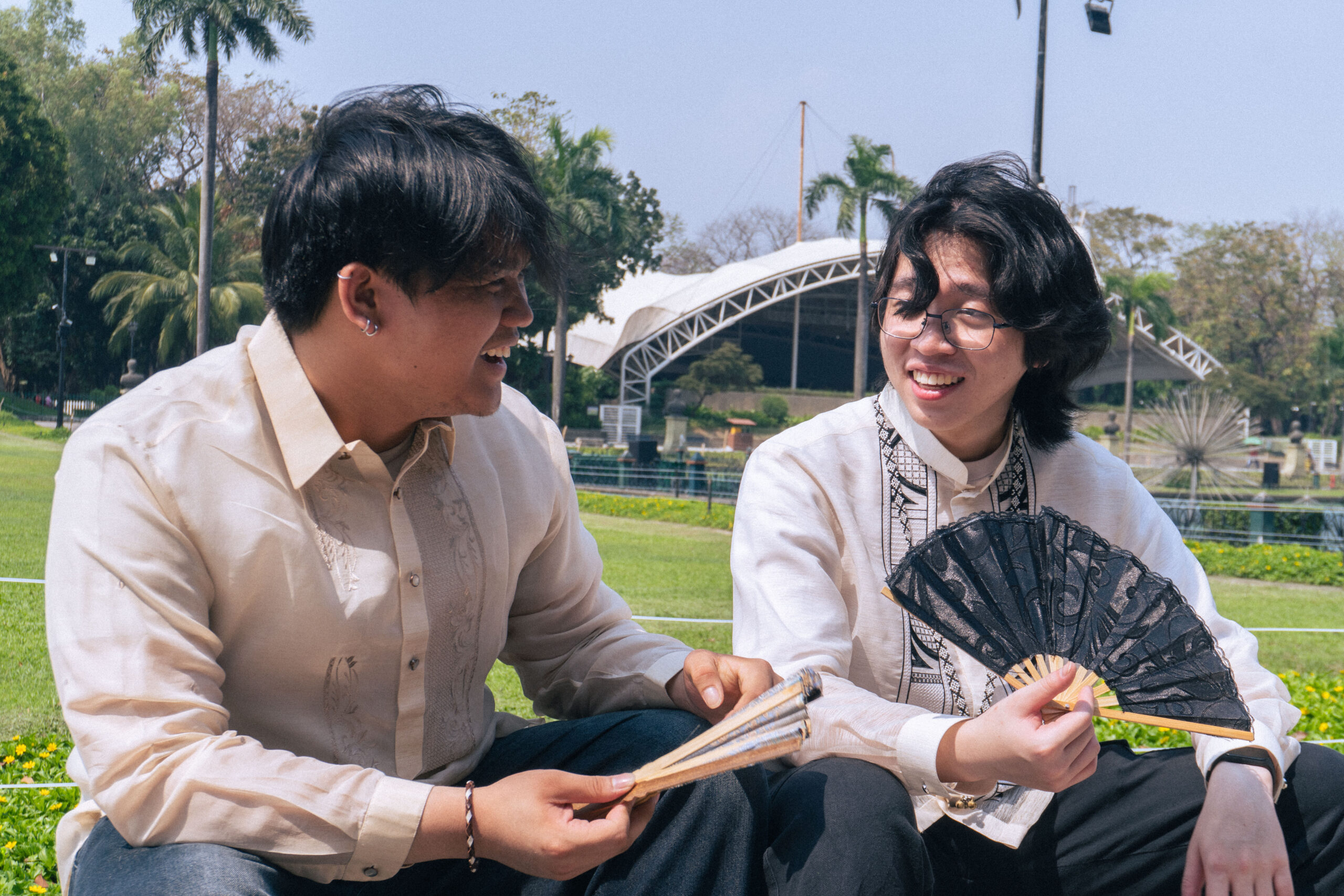
This Filipino value refers to an obligation to repay someone who has done you a favor. While this can be related to a lot of Filipino values, it can also be toxic or manipulative in the eyes of someone who did not grow up with the same values.
appearance based judgement
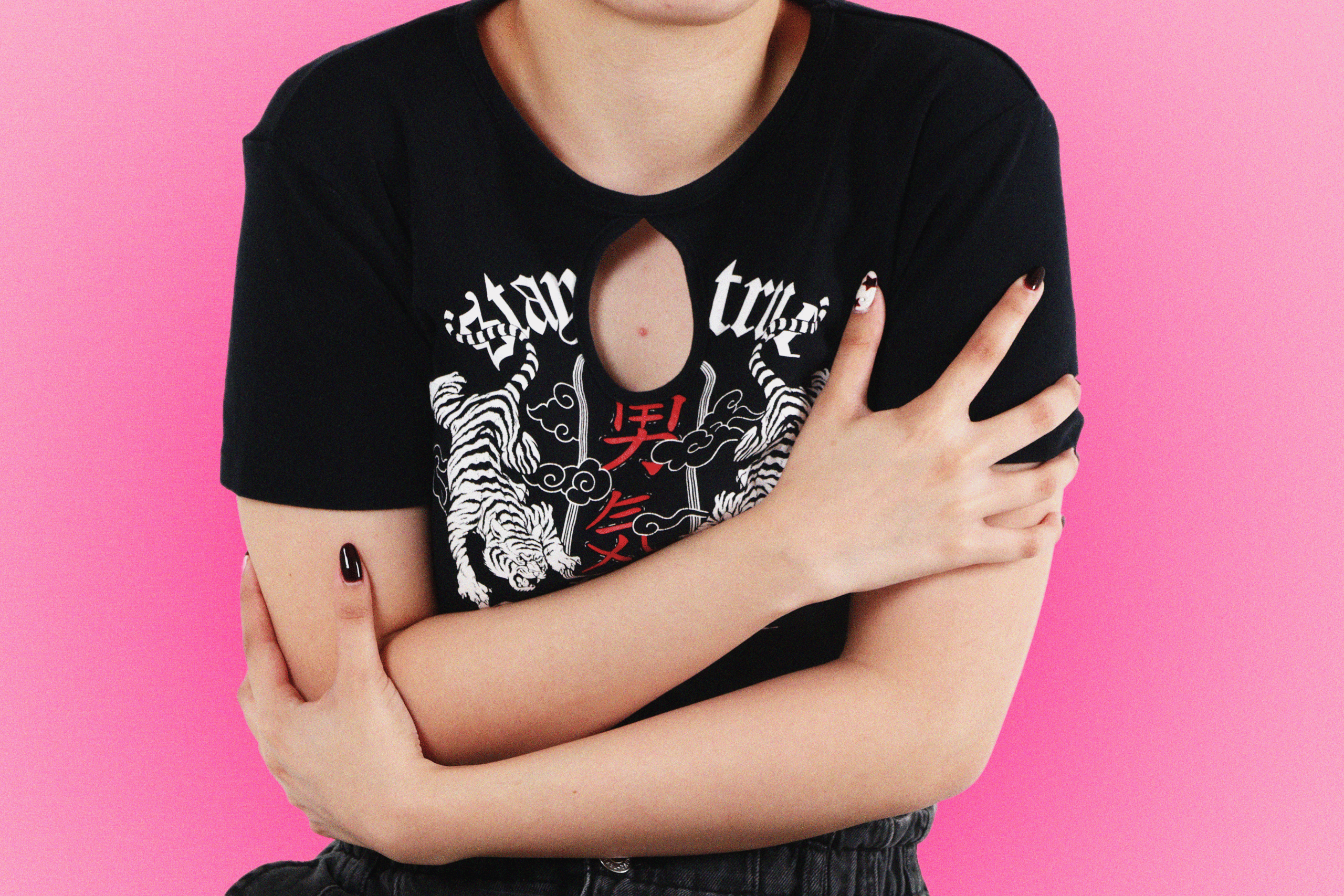
Many TCKs become more self-conscious after reintegration due to the Philippines’ strong beauty standards that favor fair skin, petite bodies, and just being natural.
Filipino Third Culture Kids reported feeling pressured to look lighter, slimmer, or more “put together,” and some began paying closer attention to their clothing, skincare, and overall appearance to avoid negative comments and fit societal expectations.

Humor and teasing culture
Filipino humor often involves teasing or banter, locally known as asaran, which usually symbolizes closeness and familiarity. Among family members and close friends, people tend to be very straightforward with one another; this directness is rarely meant to offend but instead reflects comfort in the relationship.
However, for those unfamiliar with this dynamic, the teasing may sometimes feel harsh or be easily misinterpreted. Understanding that banter is often a form of bonding can help Filipino TCKs respond appropriately, being frank without sounding condescending, and recognize it as a sign of social connection rather than disrespect.
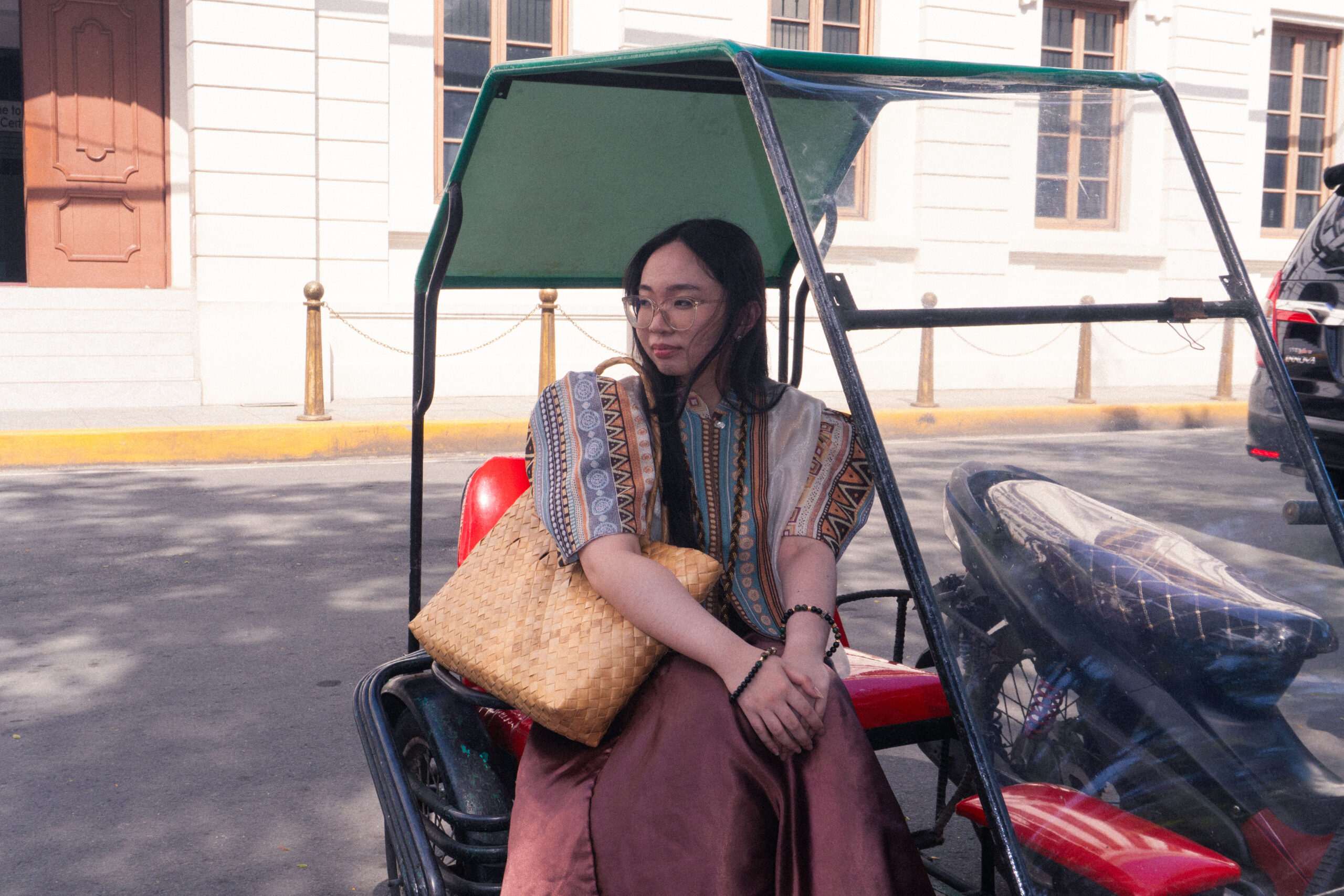
being street smart TAKES TIME
Adapting to safety in the Philippines is not about being paranoid, but about developing better situational awareness. The country is generally not very dangerous, and like in any other place, you simply need to be aware of your surroundings.
This includes being mindful of your belongings in public and learning the best commuting routes. Once these “street smart” habits are learned, navigating the country becomes a much more confident, comfortable, and secure experience.
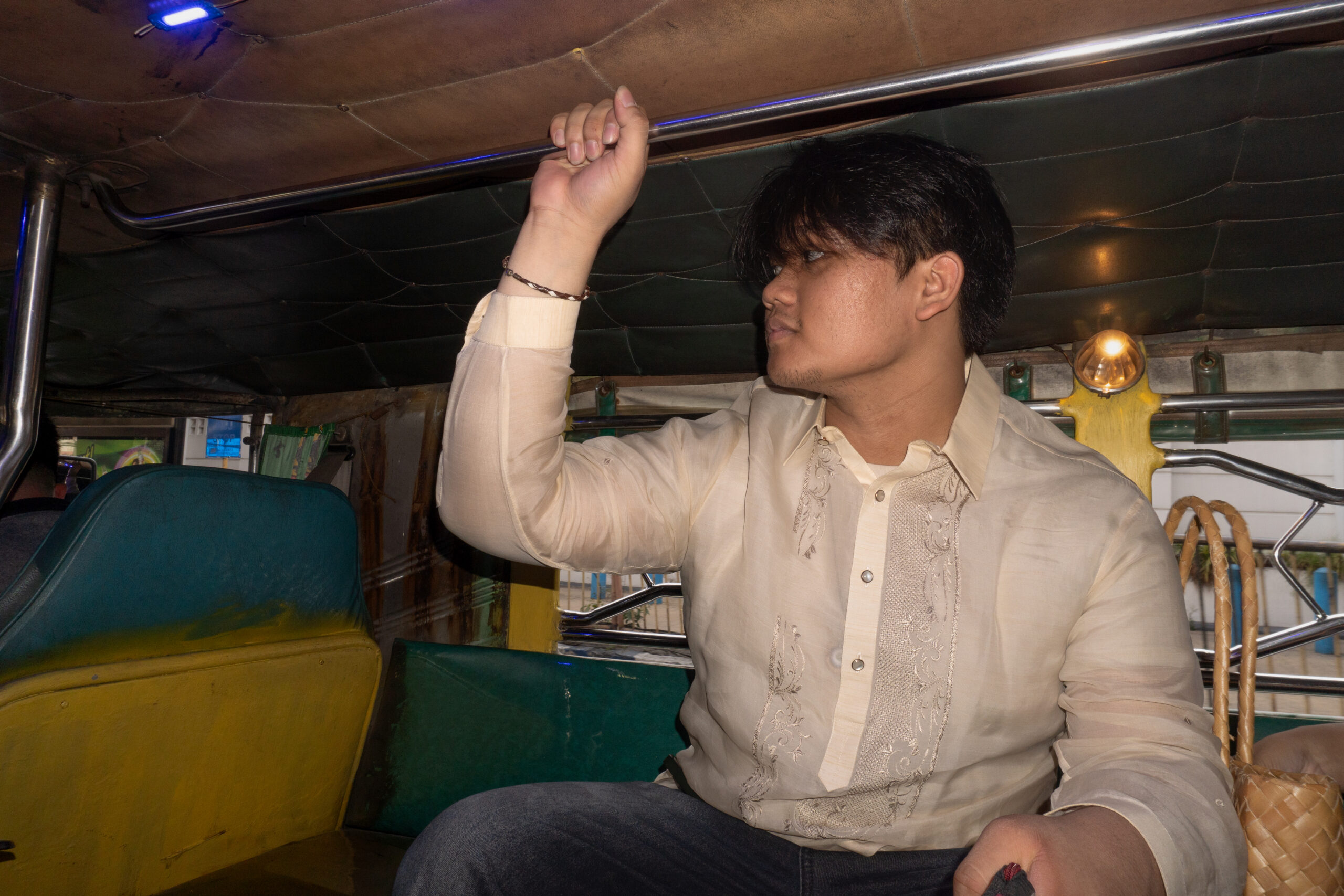
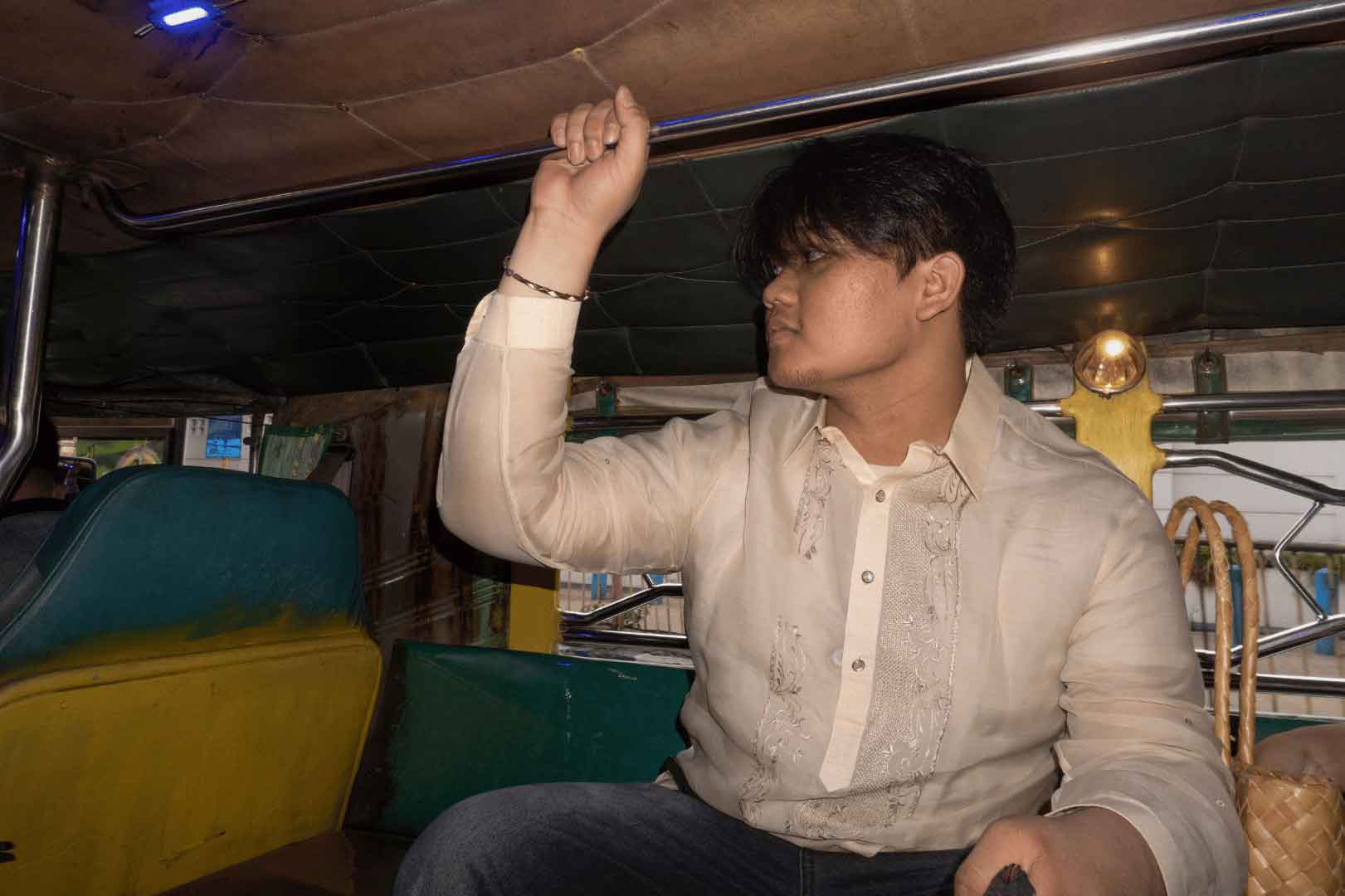
Transportation is an exercise, a war
Navigating public transportation in the Philippines can be challenging for newcomers, with bus routes, stops, and train systems often feeling confusing.
Many people turn to ride-hailing apps like Grab, InDrive, and Green GSM for cars, or Angkas, Move It, and JoyRide for motorcycles. These services offer a convenient and reliable way to get around without the stress of figuring out routes.
CULTURE SHOCKS
If you are not familiar with the social norms and culture of the Philippines, certain everyday experiences might catch you off guard. From playful jokes and unique mindsets to family dynamics and communication styles, these moments can feel surprising at first.
Click The Tabs Below!
Philippines is a very Catholic country
The Philippines is a conservative country and heavily influenced by Catholic teachings, leading to extensive opposition regarding divorce, same sex marriage, etc. However, the Philippines remains a secular country, where the country allows people to practice their own religion.
“Filipino time”
Although ‘Filipino time’ can be frustrating for those on the receiving end, many factors contribute to it. Unexpected traffic jams, long lines, and long waiting times. Filipinos try hard to get there on time, but are also sometimes met with unavoidable delays.
Wearing
slippers at home
Wearing slippers inside the house in the Philippines is very normal and common practice. This cultural practice signifies hygiene, and is also shown as a gesture of care and protection to the home and the people inside of it.
The concept of “Mano”, “Po”, and “Opo”
In Filipino culture, saying “mano po” and using “po” and “opo” are important expressions of respect toward elders. Filipino TCKs raised abroad may be less familiar with these practices, as they are not commonly used in other countries.
A simple way to show respect, especially if not yet comfortable speaking Tagalog, is by adding “po” to English sentences, such as, “How much is this, po?” or “When are you coming back, po?” This small adjustment helps make communication more culturally appropriate.
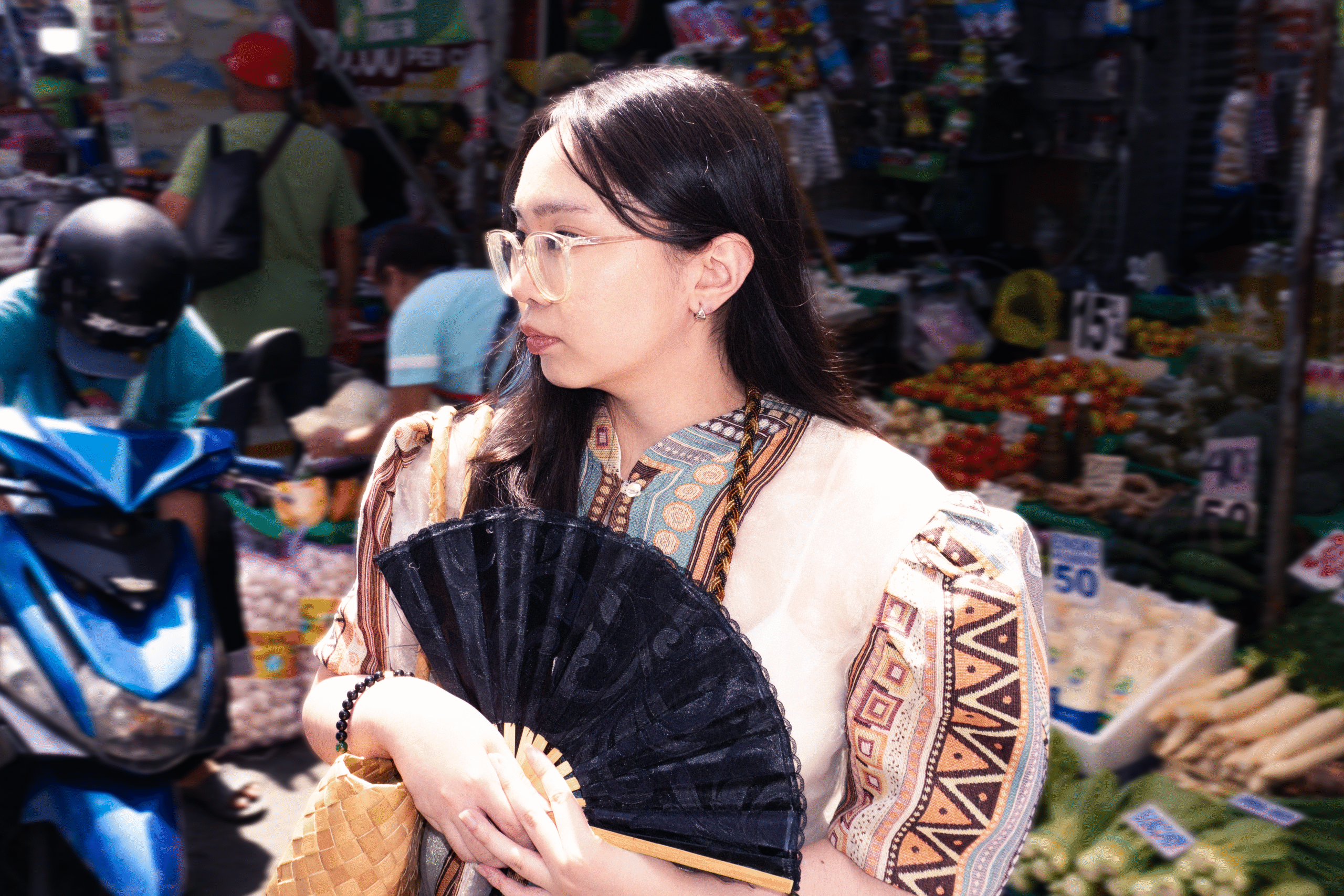
Reverse Culture Shock
TCKs often feel unprepared when confronted with unfamiliar social norms, traditions, school systems, and everyday practices in the Philippines. Despite being their country of origin, many report feelings of alienation and disconnection due to limited exposure to Filipino culture while growing up abroad.
Feeling "Othered"
TCKs are often treated as outsiders because of their accent, physical features, behavior, or perceived foreignness. Labels such as “conyo” or assumptions that they are wealthy or maarte can create social distance and pressure them to prove their Filipino identity in order to be accepted.
Utang na Loob Mindset
This Filipino value refers to an obligation to repay someone who has done you a favor. While this can be related to a lot of Filipino values, it can also be toxic or manipulative in the eyes of someone who did not grow up with the same values.
Fiestas
Filipinos are known to be hospitable and known to treat visitors very well. In celebrations like in fiestas, even if you’re a stranger, they will still welcome you warmly with phrases such as “kain na” and invite you to their house to celebrate.
Hospitality
Filipinos are known for their hospitality and friendly nature. However, this kindness can sometimes be taken advantage of by scammers or street people who pretend to be helpful, especially when someone looks lost or in need of assistance.
While our hospitality is often seen as a positive trait, it is still important to be street-smart and cautious to avoid being exploited.
appearance based judgement
Many TCKs become more self-conscious after reintegration due to the Philippines’ strong beauty standards that favor fair skin, petite bodies, and just being natural.
Filipino Third Culture Kids reported feeling pressured to look lighter, slimmer, or more “put together,” and some began paying closer attention to their clothing, skincare, and overall appearance to avoid negative comments and fit societal expectations.
Feeling “in-between”
Filipino Third Culture Kids often experience an “in-between” identity, where they feel they do not fully belong to either their host country or the Philippines.
Although they identify as Filipino through birth and heritage, differences in values, language, behavior, and cultural familiarity can make them question what being “Filipino enough” truly means.
Humor and teasing culture
Filipino humor often involves teasing or banter, locally known as asaran, which usually symbolizes closeness and familiarity. Among family members and close friends, people tend to be very straightforward with one another; this directness is rarely meant to offend but instead reflects comfort in the relationship. However, for those unfamiliar with this dynamic, the teasing may sometimes feel harsh or be easily misinterpreted.
Understanding that banter is often a form of bonding can help Filipino TCKs respond appropriately, being frank without sounding condescending, and recognize it as a sign of social connection rather than disrespect.
Indirect communication
In Filipino culture, people may avoid a direct “no” to keep harmony (pakikisama/hiya). Reading between the lines is equivalent to noticing tone, body language, and word choices.
When someone mentions phrases such as “baka”, “tingnan natin,” or in english “we’ll see” could indicate hesitation rather than agreement.
being street smart
TAKES TIME
Adapting to safety in the Philippines is not about being paranoid, but about developing better situational awareness. The country is generally not very dangerous, and like in any other place, you simply need to be aware of your surroundings.
This includes being mindful of your belongings in public and learning the best commuting routes. Once these “street smart” habits are learned, navigating the country becomes a much more confident, comfortable, and secure experience.
Transportation is an exercise, a war
Navigating public transportation in the Philippines can be challenging for newcomers, with bus routes, stops, and train systems often feeling confusing. Many people turn to ride-hailing apps like Grab, InDrive, and Green GSM for cars, or Angkas, Move It, and JoyRide for motorcycles.
These services offer a convenient and reliable way to get around without the stress of figuring out routes.
CULTURE SHOCKS
If you are not familiar with the social norms and culture of the Philippines, certain everyday experiences might catch you off guard. From playful jokes and unique mindsets to family dynamics and communication styles, these moments can feel surprising at first.