
WHAT TO EXPECT
Coming back to the Philippines after living abroad for years can feel
overwhelming at first. Here are some culture shocks you might experience
and what to expect as you readjust.
(Scroll down to learn more)
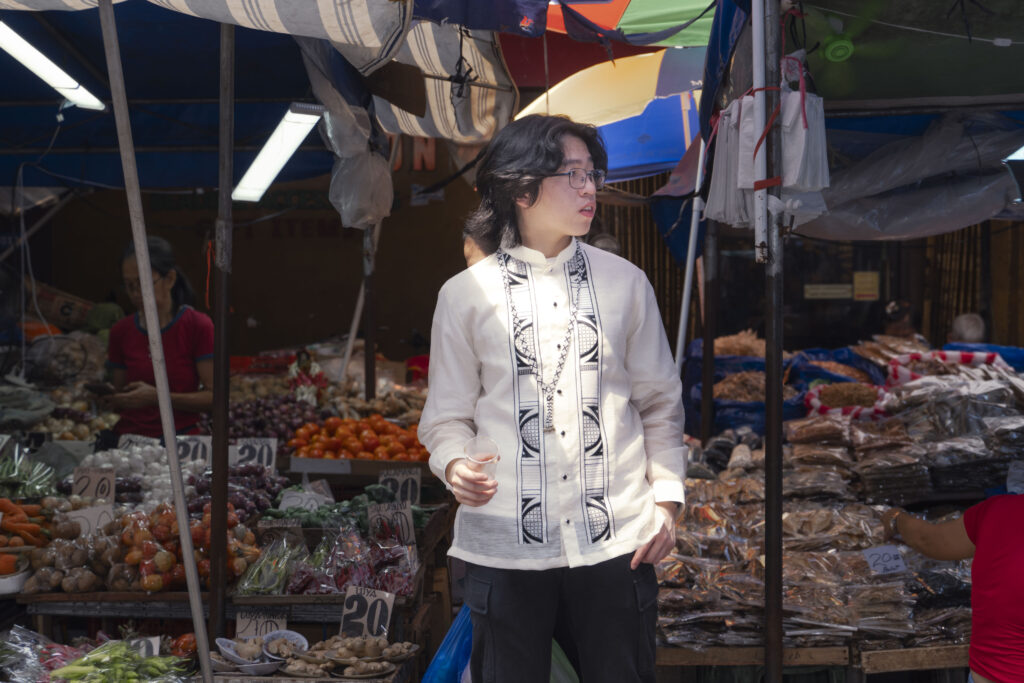
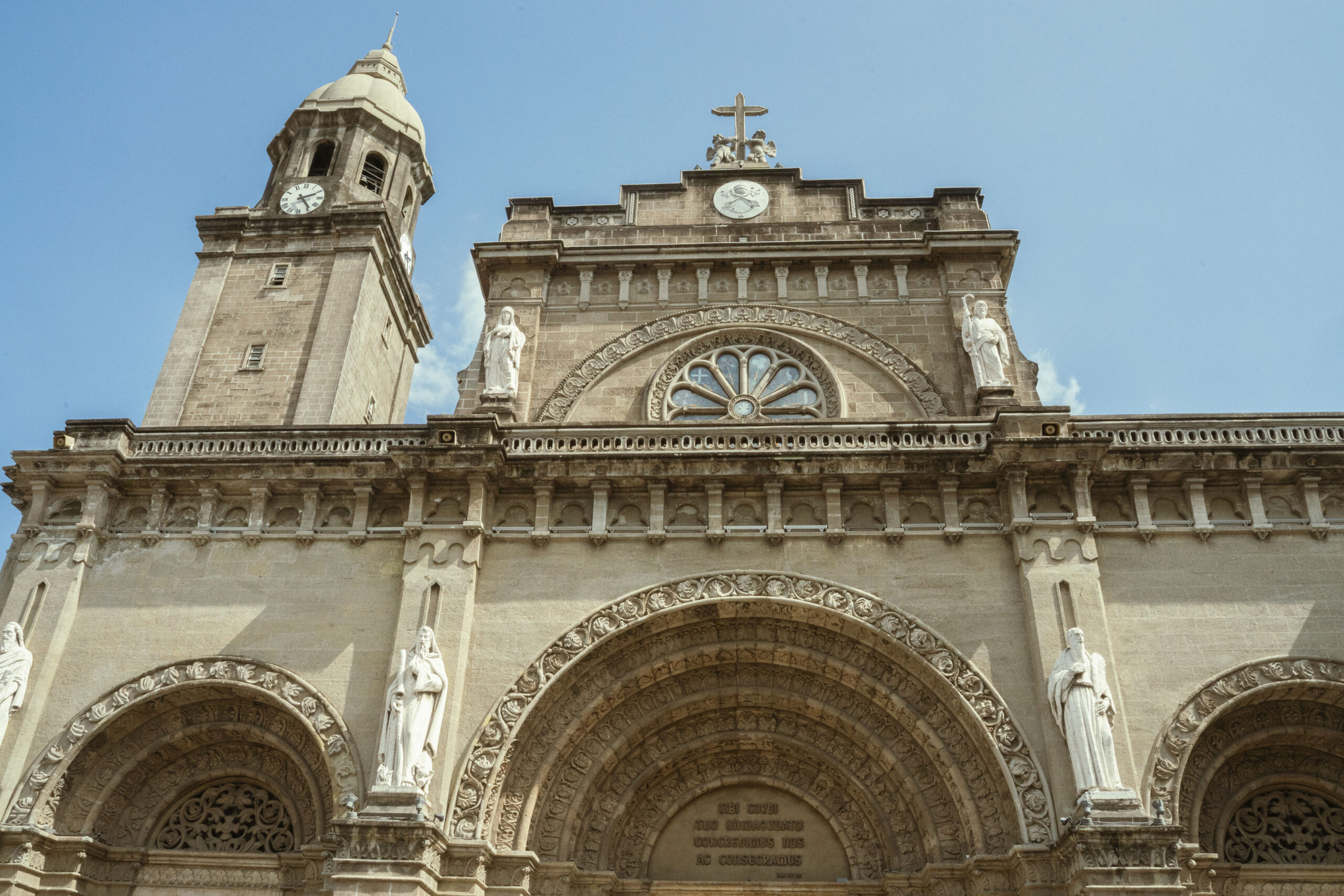
Philippines is a very Catholic country
The Philippines is strongly influenced by Catholic values, but people are free to practice different religions and beliefs with respect for cultural diversity.
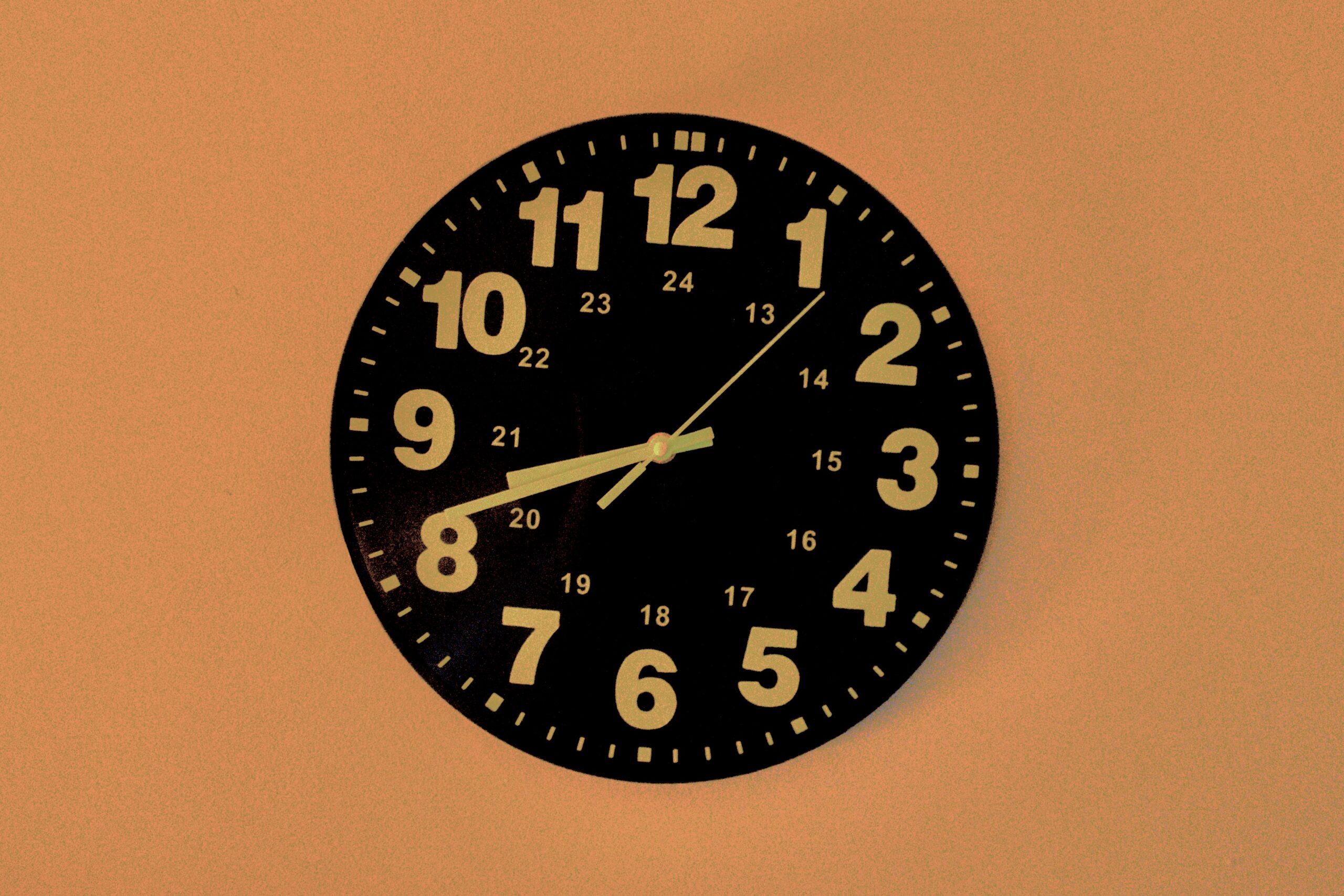
“Filipino time”
Delays are common due to heavy traffic, long queues, and unexpected situations. While punctuality is valued, daily challenges can sometimes make people late.
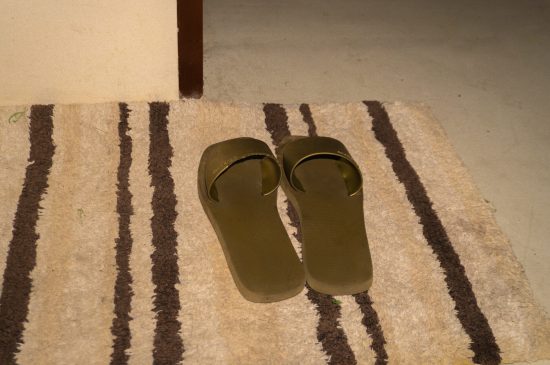
Wearing
slippers at home
Wearing slippers indoors is a common Filipino practice that helps keep homes clean and is considered a simple way of showing care for the household.
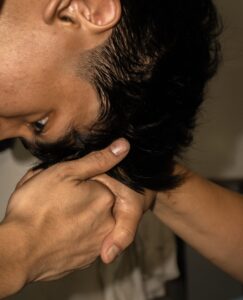
The concept of “Mano”, “Po”, and “Opo”
Filipinos show respect by saying "po," "opo," and "mano po." If you're not confident in Tagalog yet, simply adding "po" to English sentences is a thoughtful way to be polite.
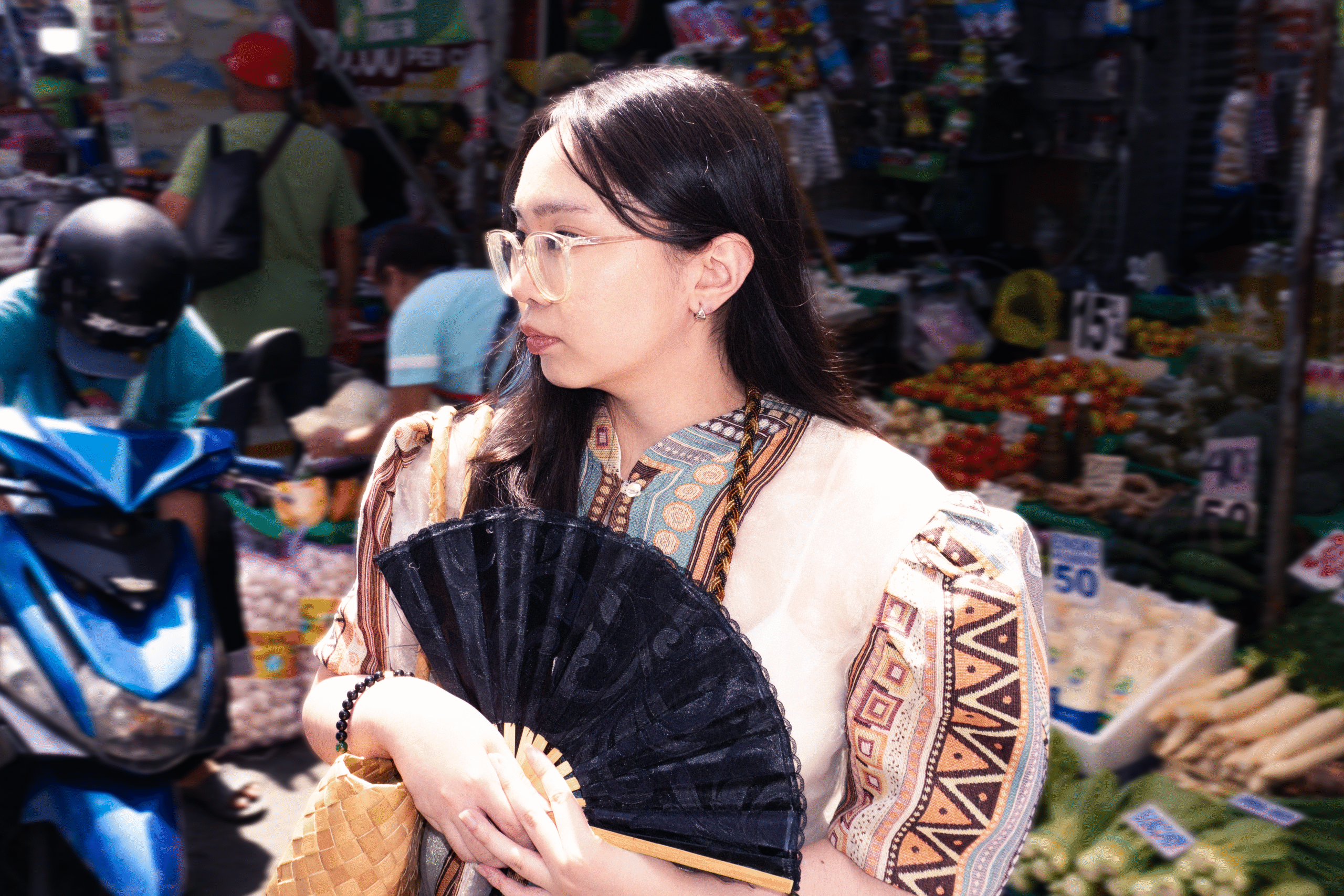
Reverse Culture Shock
Returning TCKs may find Filipino customs, traditions, and daily life unfamiliar at first. Feeling out of place is a common part of the adjustment process.
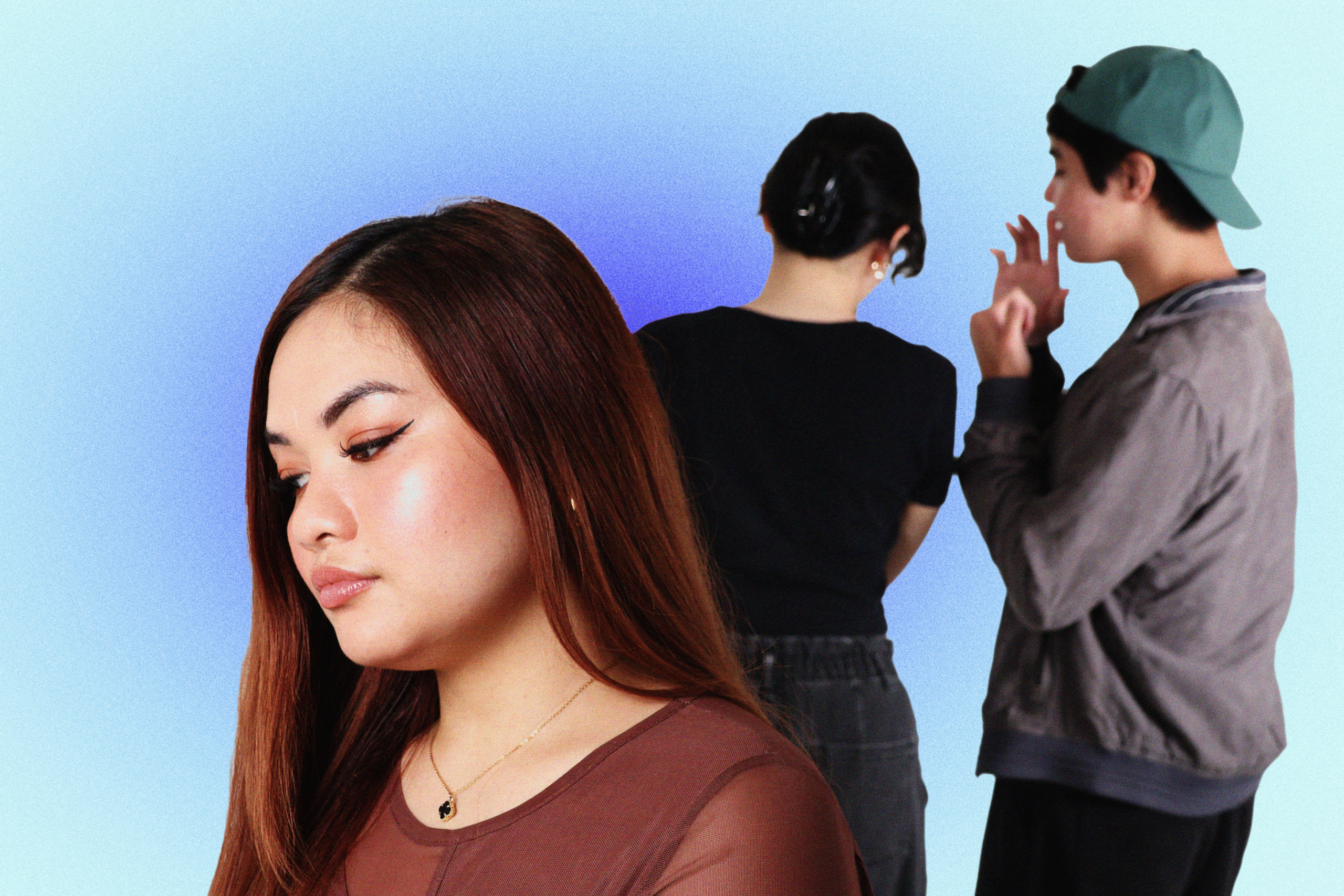
Feeling "Othered"
TCKs may be judged for their accent, appearance, or behavior. Labels like "conyo" can make them feel pressured to prove they are "Filipino enough."
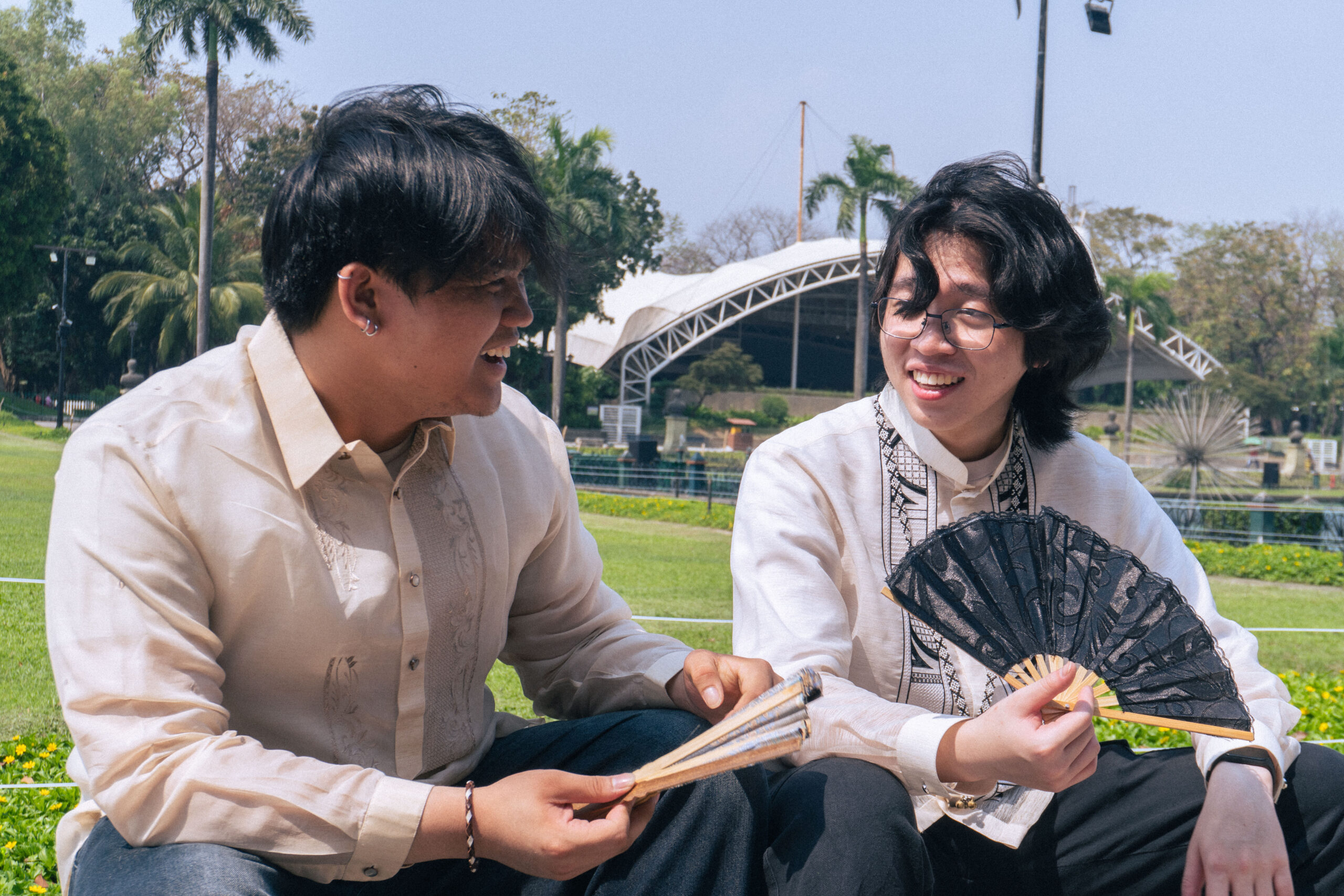
Utang na Loob Mindset
Utang na loob is the value of repaying someone's kindness. While it strengthens relationships, it can sometimes feel confusing or even overwhelming to those unfamiliar with the practice.
Hospitality
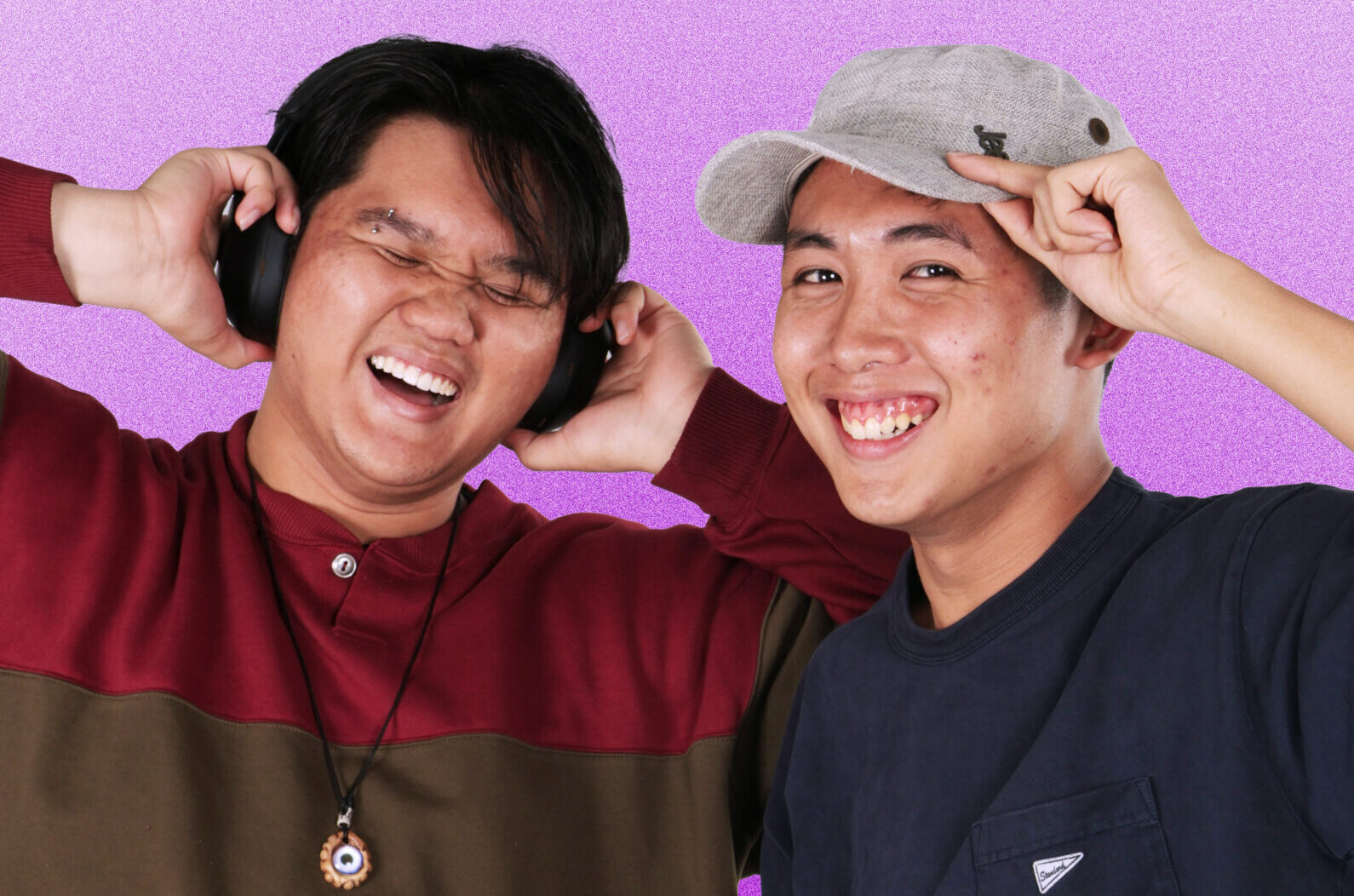
While Filipinos are generally kind and helpful, some people may take advantage of newcomers. Stay friendly, but always be aware of your surroundings and trust your instincts.
Fiestas
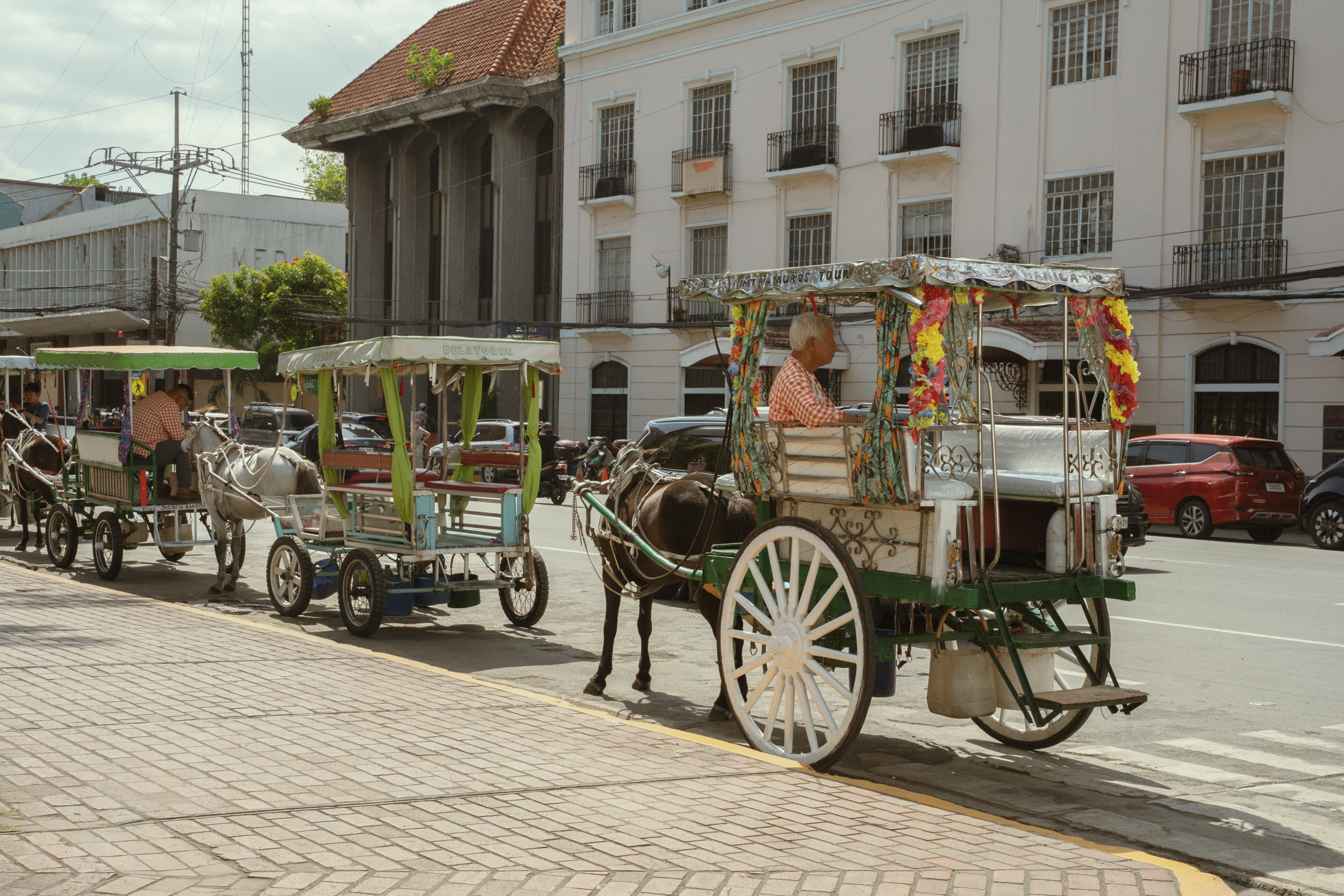
Filipinos are known for warmly welcoming guests. Whether you're a friend or a stranger, it's common to hear "Kain na!" and be invited to join a meal or celebration.

Feeling “in-between”
Many TCKs feel caught between cultures. They may identify as Filipino but still question where they truly belong after returning home.

Humor and teasing culture
Friendly teasing, or asaran, is a common way Filipinos show closeness. It may seem harsh at first, but it's often meant as a sign of comfort and connection.
appearance based judgement
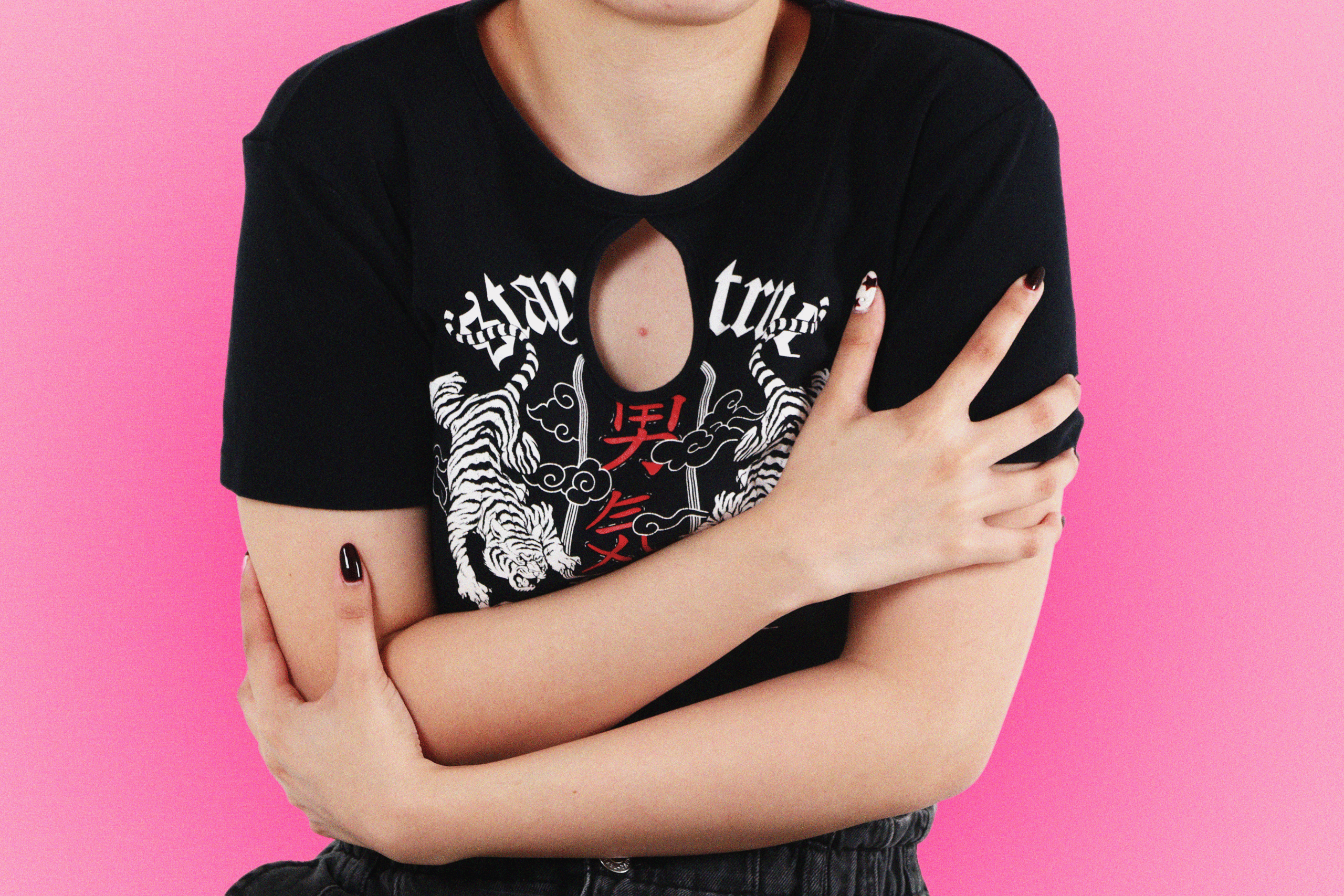
Many returning TCKs become more aware of beauty standards that favor fair skin and slim body types, which can affect confidence and self-image.

Indirect communication
Filipinos may avoid saying "no" directly to keep harmony. Paying attention to tone, body language, and phrases like "baka" or "we'll see" can help you better understand what people really mean.
being street smart
TAKES TIME
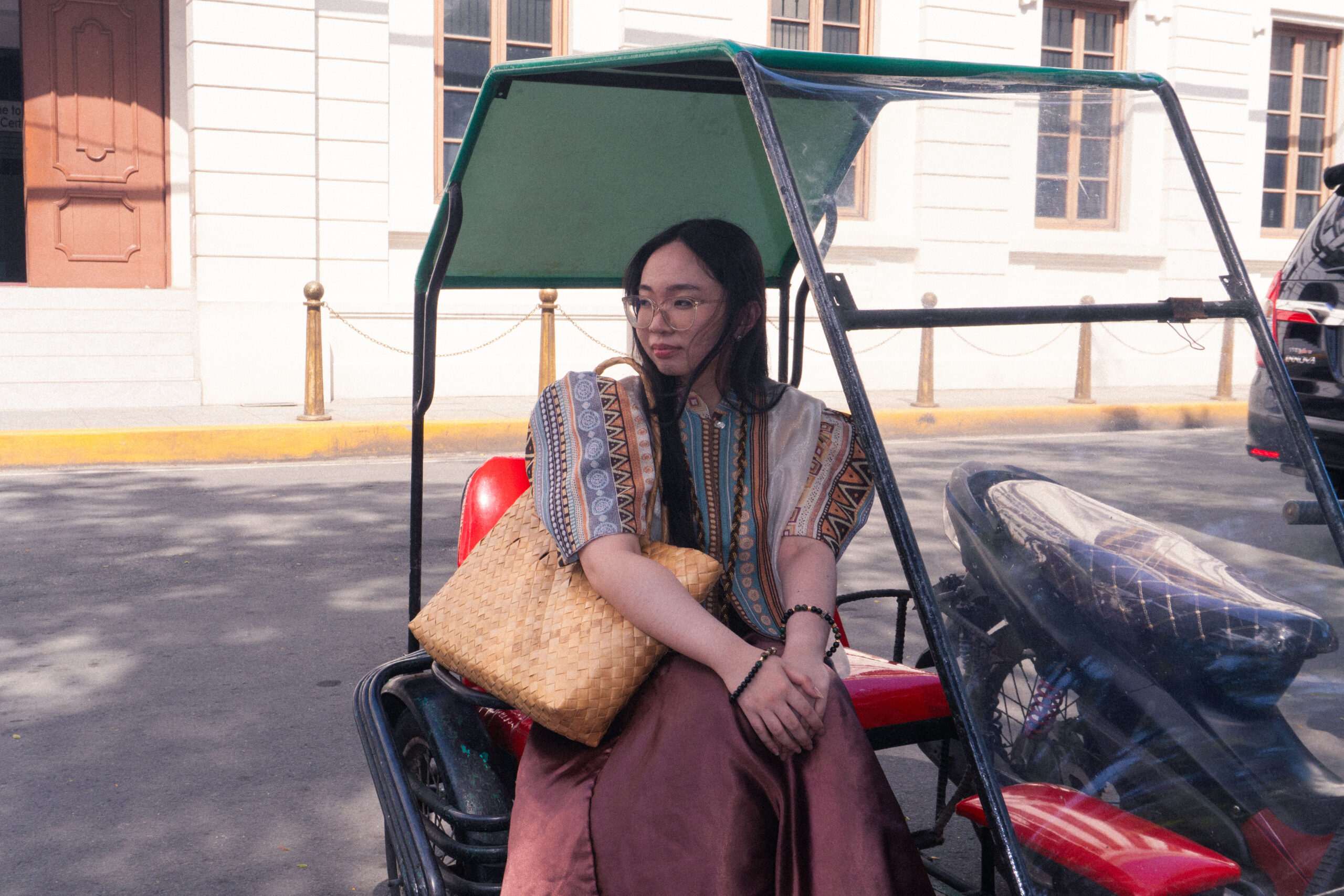
Adapting to life in the Philippines isn't about being paranoid. It's about building situational awareness by keeping an eye on your belongings, learning safe commuting habits, and becoming familiar with your surroundings. These everyday skills can help you navigate the country with greater confidence and ease.
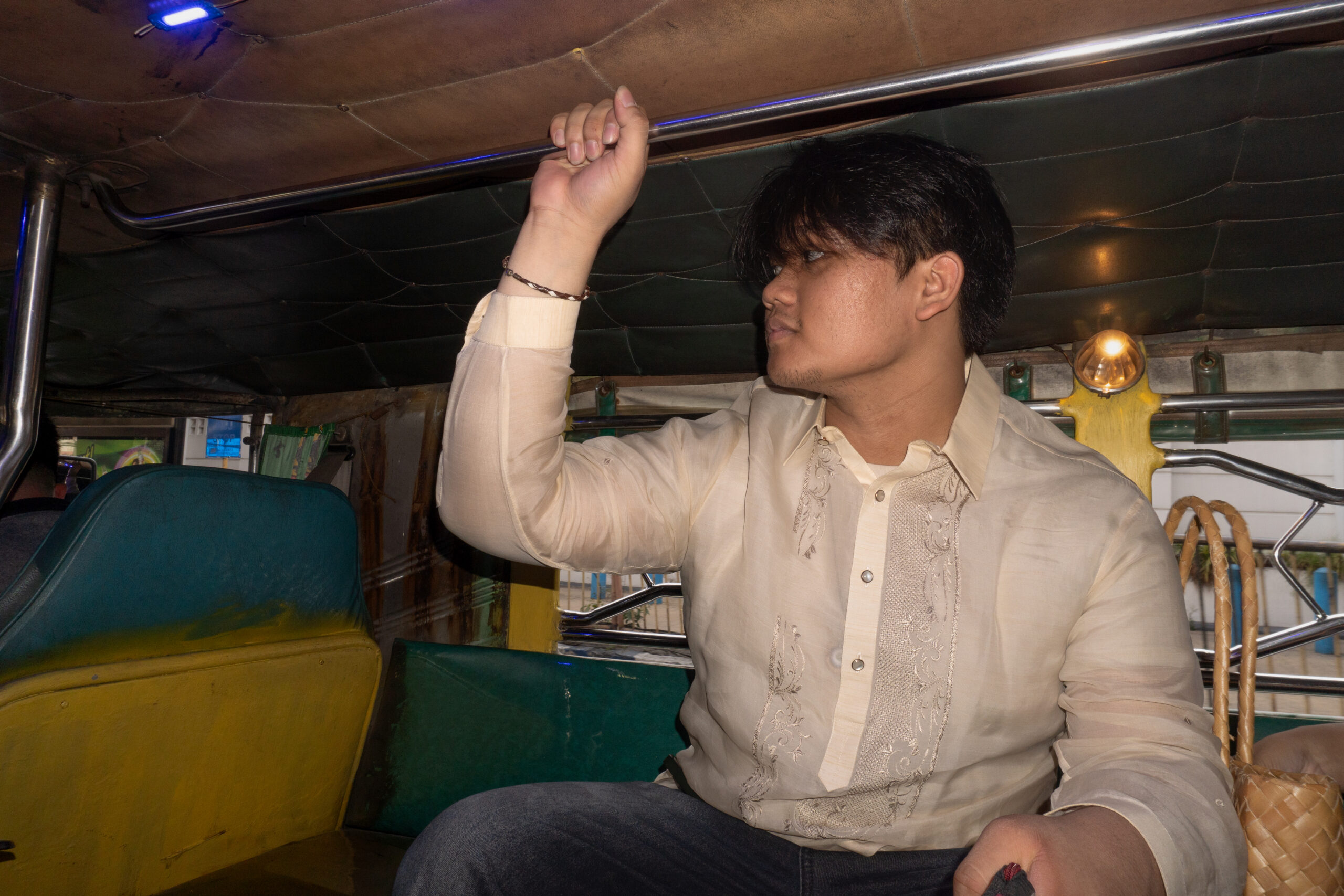
Transportation is an exercise
Public transportation can feel overwhelming at first, especially when learning bus routes, train systems, and unfamiliar stops. Many people use ride-hailing apps like Grab, InDrive, Green GSM, Angkas, Move It, and JoyRide for a more convenient and reliable way to travel while adjusting to life in the Philippines.
WHAT TO EXPECT
Coming back to the Philippines after living abroad for years can feel
overwhelming at first. Here are some culture shocks you might experience
and what to expect as you readjust.
(Scroll down to learn more)
Philippines is a very Catholic country
The Philippines is strongly influenced by Catholic values, but people are free to practice different religions and beliefs with respect for cultural diversity.
“Filipino time”
Delays are common due to heavy traffic, long queues, and unexpected situations. While punctuality is valued, daily challenges can sometimes make people late.
Wearing
slippers at home
Wearing slippers indoors is a common Filipino practice that helps keep homes clean and is considered a simple way of showing care for the household.
The concept of “Mano”, “Po”, and “Opo”
Filipinos show respect by saying "po," "opo," and "mano po." If you're not confident in Tagalog yet, simply adding "po" to English sentences is a thoughtful way to be polite.
Reverse Culture Shock
Returning TCKs may find Filipino customs, traditions, and daily life unfamiliar at first. Feeling out of place is a common part of the adjustment process.
Feeling "Othered"
TCKs may be judged for their accent, appearance, or behavior. Labels like "conyo" can make them feel pressured to prove they are "Filipino enough."
Feeling “in-between”
Many TCKs feel caught between cultures. They may identify as Filipino but still question where they truly belong after returning home.
Humor and teasing culture
Friendly teasing, or asaran, is a common way Filipinos show closeness. It may seem harsh at first, but it's often meant as a sign of comfort and connection.
Hospitality
While Filipinos are generally kind and helpful, some people may take advantage of newcomers. Stay friendly, but always be aware of your surroundings and trust your instincts.
Fiestas
Filipinos are known for warmly welcoming guests. Whether you're a friend or a stranger, it's common to hear "Kain na!" and be invited to join a meal or celebration.
appearance based judgement
Many returning TCKs become more aware of beauty standards that favor fair skin and slim body types, which can affect confidence and self-image.
Indirect communication
Filipinos may avoid saying "no" directly to keep harmony. Paying attention to tone, body language, and phrases like "baka" or "we'll see" can help you better understand what people really mean.
Utang na Loob Mindset
Utang na loob is the value of repaying someone's kindness. While it strengthens relationships, it can sometimes feel confusing or even overwhelming to those unfamiliar with the practice.
being street smart TAKES TIME
Adapting to life in the Philippines isn't about being paranoid. It's about building situational awareness by keeping an eye on your belongings, learning safe commuting habits, and becoming familiar with your surroundings. These everyday skills can help you navigate the country with greater confidence and ease.
Transportation is an exercise
Public transportation can feel overwhelming at first, especially when learning bus routes, train systems, and unfamiliar stops. Many people use ride-hailing apps like Grab, InDrive, Green GSM, Angkas, Move It, and JoyRide for a more convenient and reliable way to travel while adjusting to life in the Philippines.
WHAT TO EXPECT
Coming back to the Philippines after living abroad for years can feel overwhelming at first. Here are some culture shocks you might experience
and what to expect as you readjust.
(Scroll down to learn more)
Philippines is a very Catholic country
The Philippines is strongly influenced by Catholic values, but people are free to practice different religions and beliefs with respect for cultural diversity.
“Filipino time”
Delays are common due to heavy traffic, long queues, and unexpected situations. While punctuality is valued, daily challenges can sometimes make people late.
Wearing
slippers at home
Wearing slippers indoors is a common Filipino practice that helps keep homes clean and is considered a simple way of showing care for the household.
Reverse Culture Shock
Returning TCKs may find Filipino customs, traditions, and daily life unfamiliar at first. Feeling out of place is a common part of the adjustment process.
The concept of “Mano”, “Po”, and “Opo”
Filipinos show respect by saying "po," "opo," and "mano po." If you're not confident in Tagalog yet, simply adding "po" to English sentences is a thoughtful way to be polite.
Feeling "Othered"
TCKs may be judged for their accent, appearance, or behavior. Labels like "conyo" can make them feel pressured to prove they are "Filipino enough."
Feeling “in-between”
Many TCKs feel caught between cultures. They may identify as Filipino but still question where they truly belong after returning home.
Humor and teasing culture
Friendly teasing, or asaran, is a common way Filipinos show closeness. It may seem harsh at first, but it's often meant as a sign of comfort and connection.
Hospitality
While Filipinos are generally kind and helpful, some people may take advantage of newcomers. Stay friendly, but always be aware of your surroundings and trust your instincts.
Fiestas
Filipinos are known for warmly welcoming guests. Whether you're a friend or a stranger, it's common to hear "Kain na!" and be invited to join a meal or celebration.
appearance based judgement
Many returning TCKs become more aware of beauty standards that favor fair skin and slim body types, which can affect confidence and self-image.
Indirect communication
Filipinos may avoid saying "no" directly to keep harmony. Paying attention to tone, body language, and phrases like "baka" or "we'll see" can help you better understand what people really mean.
Utang na Loob Mindset
Utang na loob is the value of repaying someone's kindness. While it strengthens relationships, it can sometimes feel confusing or even overwhelming to those unfamiliar with the practice.
being street smart TAKES TIME
Adapting to life in the Philippines isn't about being paranoid. It's about building situational awareness by keeping an eye on your belongings, learning safe commuting habits, and becoming familiar with your surroundings. These everyday skills can help you navigate the country with greater confidence and ease.
Transportation is an exercise
Public transportation can feel overwhelming at first, especially when learning bus routes, train systems, and unfamiliar stops. Many people use ride-hailing apps like Grab, InDrive, Green GSM, Angkas, Move It, and JoyRide for a more convenient and reliable way to travel while adjusting to life in the Philippines.